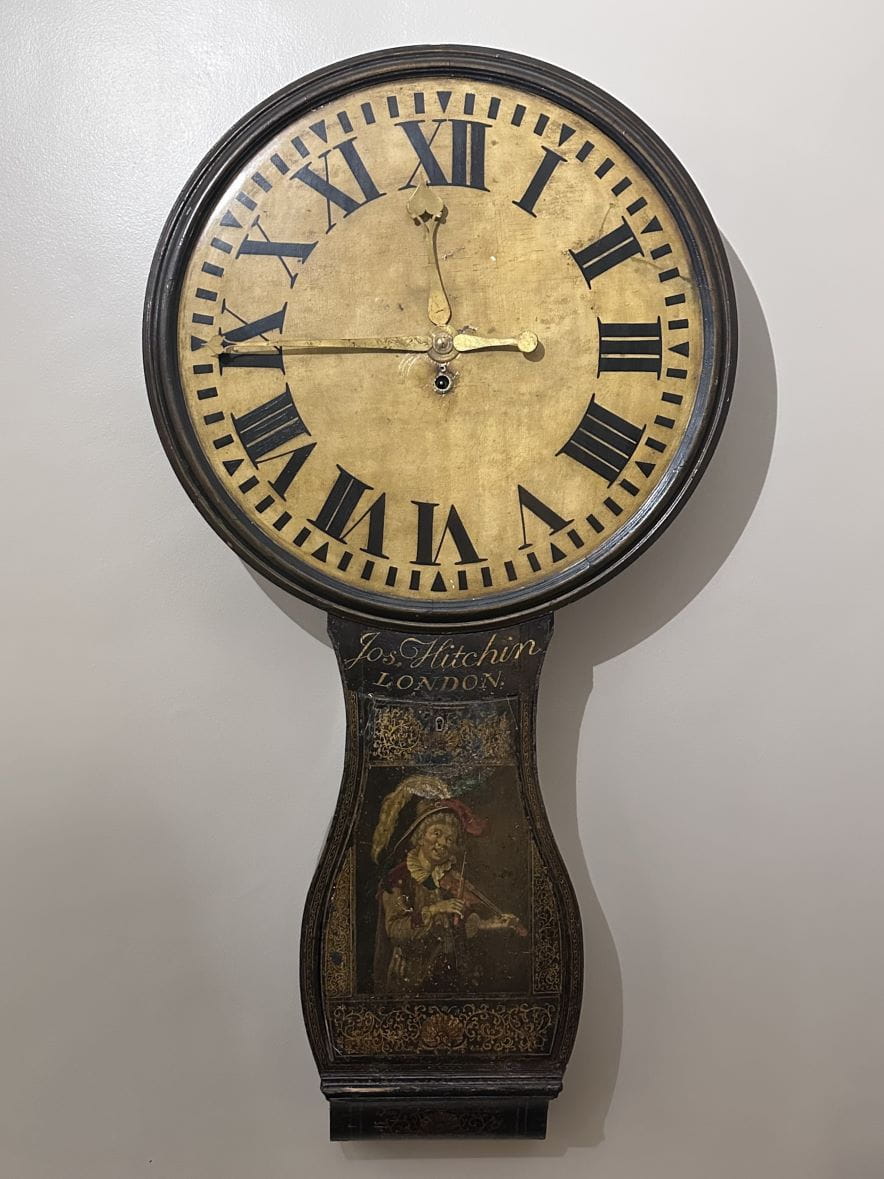
What is an Act of Parliament clock?
An Act of Parliament clock – also known as a tavern clock – is a large wall clock of the kind once commonly found in taverns, coaching inns, public rooms and, in some cases, the service areas of large houses.
These clocks were practical public timekeepers: their large dials enabled travellers, innkeepers, servants and others to check the time or set their own watches.
The typical form of such a clock is bold and architectural: a large wooden, painted or lacquered dial, with a narrow trunk below to accommodate the pendulum and weight-driven movement.
The 1797 clock tax: the story behind the name
The name “Act of Parliament clock” comes from the Duties on Clocks and Watches Act 1797.
Introduced largely to fund the costly wars against Revolutionary France, the Act imposed an annual duty of five shillings on every clock, ten shillings on every gold watch, and two shillings and sixpence on every silver or metal watch.
The duty, which applied to timekeepers in both private and public buildings, soon proved unpopular and difficult to administer. According to E. P. Thompson, the tax was “impossible to collect”. Concealment and avoidance appear to have been widespread – the Metropolitan Museum of Art state that it drove British watch possession “underground”, and owners of gold watches are said to have melted down the covers and exchanged them for silver or metal.
It also did great harm to the clock and watch trade. At the time, the Worshipful Company of Clockmakers petitioned the Treasury complaining that many orders had been cancelled because of the tax.
In the face of public outcry and economic disruption, the tax was axed in 1798.
Did the clock tax create tavern clocks?
It is often claimed that tavern clocks appeared because people disposed of their private clocks and watches in order to avoid the tax, then relied on specially-commissioned public clocks in inns and taverns instead.
However, the reality is more nuanced. Tavern clocks already existed before the 1797 Act. According to Royal Museums Greenwich, the type existed from the 1720s and was popular throughout the 18th century; the Act’s main legacy was to give a convenient name to an already familiar type of clock.
That said, there is very likely some truth to the idea that public timekeepers became especially useful during the period that the clock tax was in force.
Our mid-18th-century example
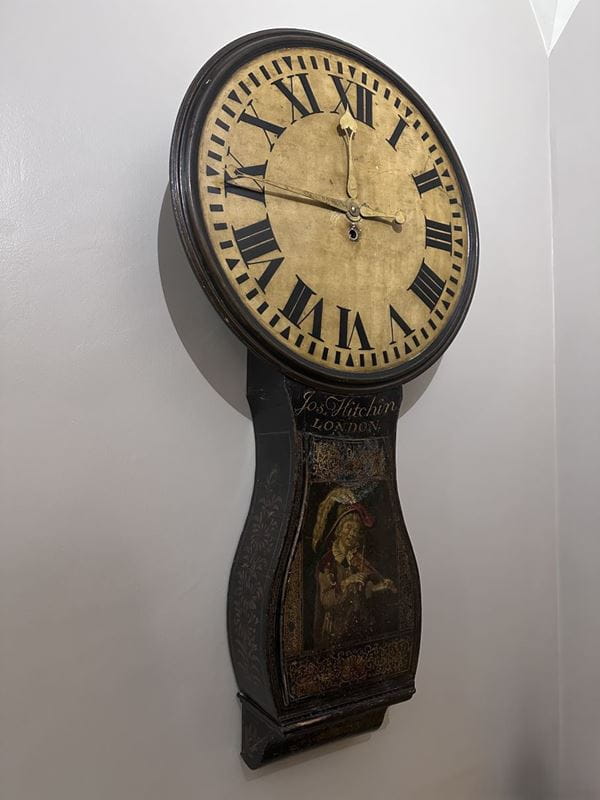
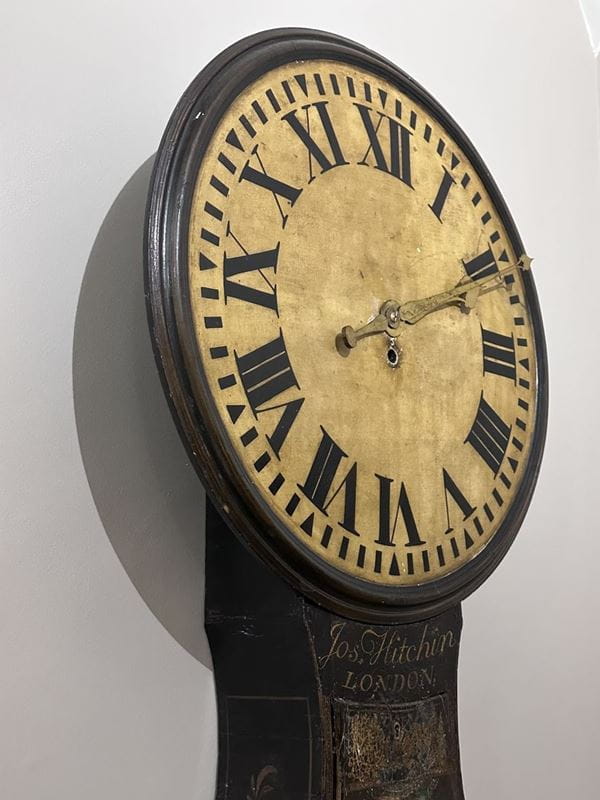
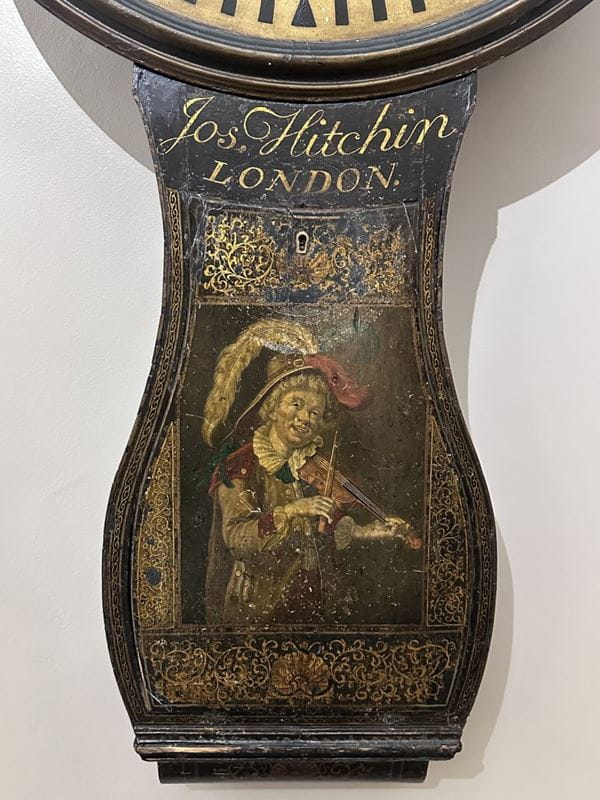
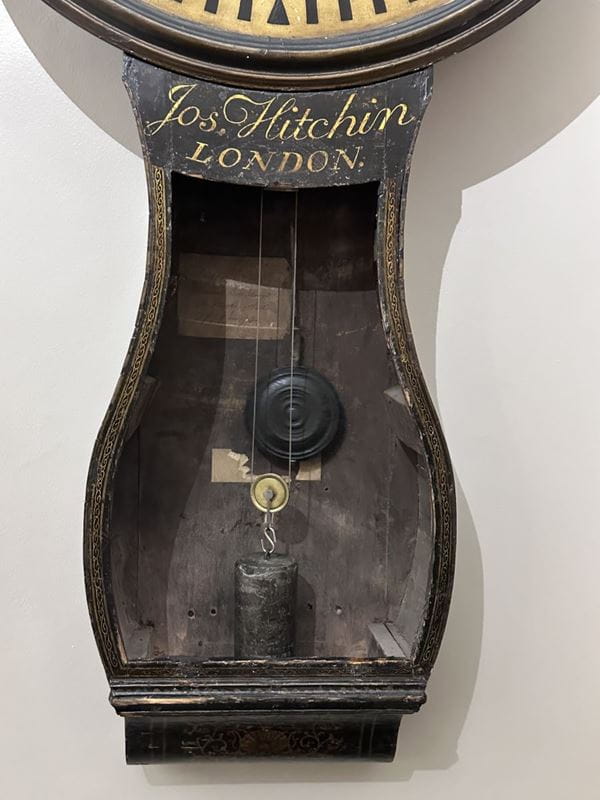
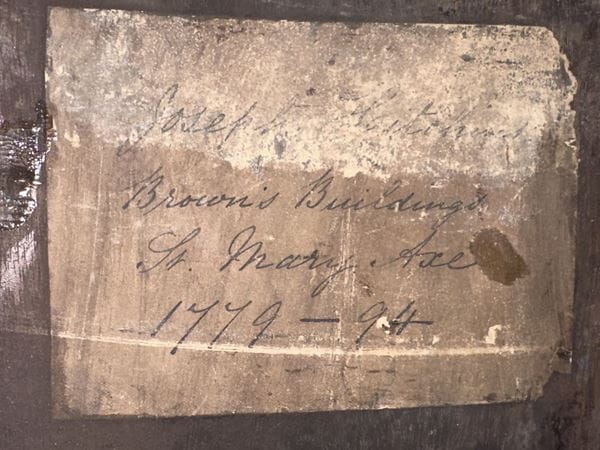
ICAEW’s Act of Parliament clock has a painted circular dial, drop-flap door, and a black and gold ‘japanned’ case of waisted outline. The case is inscribed “Jos. Hitchin, London”.
It is finished with a coloured and varnished print of a fiddler, which evokes the sociable settings in which many tavern clocks were seen. Similar prints are held by the British Museum — the design on the clock appears to be one among several variants of this portrait which circulated widely during the mid-late 18th century.
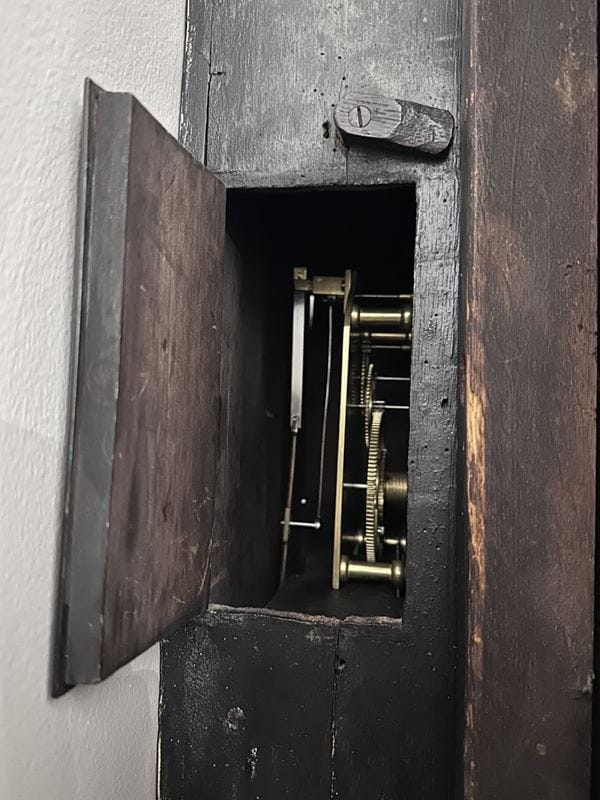
According to Martin Gatto, a leading authority on tavern clocks, the clock's movement is likely considerably later than its case (dating to c.1800–1820), whilst its dial appears to have been repainted in an early 19th century style.
As a mid-18th-century clock (later modifications notwithstanding), our example predates the 1797 clock tax – but it may well have taken on greater significance after the introduction of the duty.
Why it matters
The clock is more than just an antique object. It connects Chartered Accountants’ Hall to the wider history of timekeeping, taxation and economic life.
Perhaps most notably, it serves as a reminder of the dangers of ill-conceived tax legislation. Remote as the clock tax may seem from our time, the story of its failure gives us cause to reflect on ICAEW’s Ten Tenets for a Better Tax System, which call (among other things) for taxes to be efficient and easy to administer – hardly descriptors which could be applied to the 1797 duty.
As well as being a fine example of Georgian clockmaking, then, our Act of Parliament clock points to the importance of designing taxes that work in practice, not just on paper.
Can't find what you're looking for?
The ICAEW Library can give you the right information from trustworthy, professional sources that aren't freely available online. Contact us for expert help with your enquiries and research.
Ten Tenets for a Better Tax System

ICAEW accepts no responsibility for the content on any site to which a hypertext link from this site exists. The links are provided ‘as is’ with no warranty, express or implied, for the information provided within them. Please see the full copyright and disclaimer notice.
Learn more about Chartered Accountants’ Hall
The Library team has produced a history and overview of Chartered Accountants' Hall, home to ICAEW since 1893.
Browse resources