About the artist
Catharyne (Cathy) Ward was born in Ashford, Kent in 1960 and was educated at Canterbury College of Art and Middlesex Polytechnic before studying under Eduardo Paolozzi at the Royal College of Art in the 1980s, graduating with a master's degree in ceramics and glass in 1988.
After working with Paolozzi Cathy moved abroad and lived and worked in Banff, Canada (as artist at the Visual Fine Art Residency at The Banff Centre) and New York, USA. She returned to the UK in 1992.
She has worked in many media including large scale painting and installation, film and sculpture and has had exhibitions in London, New York and Los Angeles. Her work has also included the cover artwork for Siouxsie & The Banshees's single The Last Beat of My Heart (1988) , Sunn O)))'s album Monoliths and Dimensions (2009) (Ward's work was the 'Dimensions' on the inside cover) and she collaborated in the background video for the play Hey! Luciani: The Life and Codex of John Paul I, (1987), written by Mark E Smith of Mancunian post-punk band The Fall and later used as the promo video for the single Hey! Luciani.
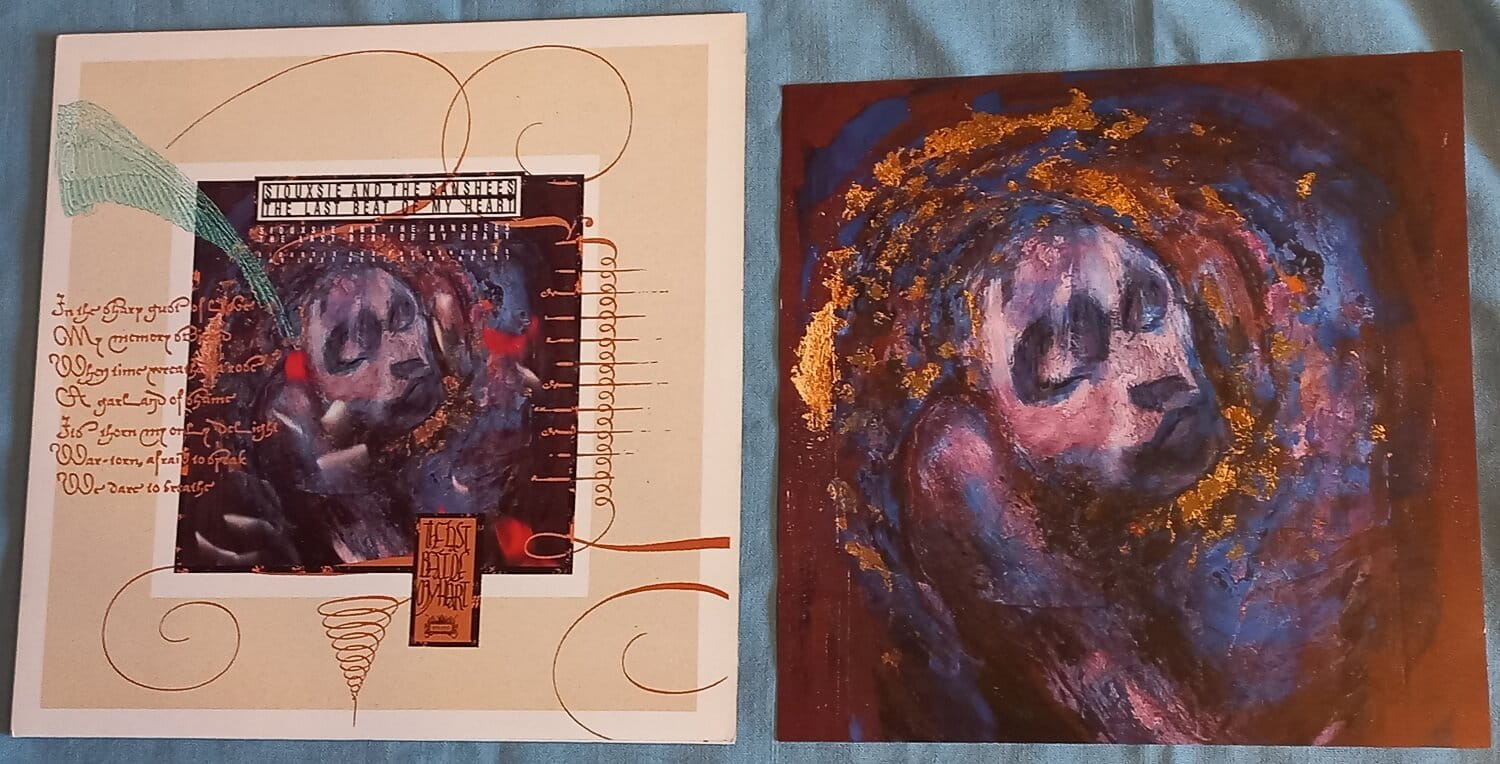
More recently Cathy has contributed to England on Fire: A Visual Journey Through Albion's Psychic Landscape by Stephen Ellcock and Mat Osman (Watkins Books) and is currently a contributor to the upcoming publication Spirit Worlds by Jessica Hundley, the 6th volume from the Library of Esoterica published by Taschen Books. She is also the London artist-correspondent for the art and culture magazine brutjournal.
About the work
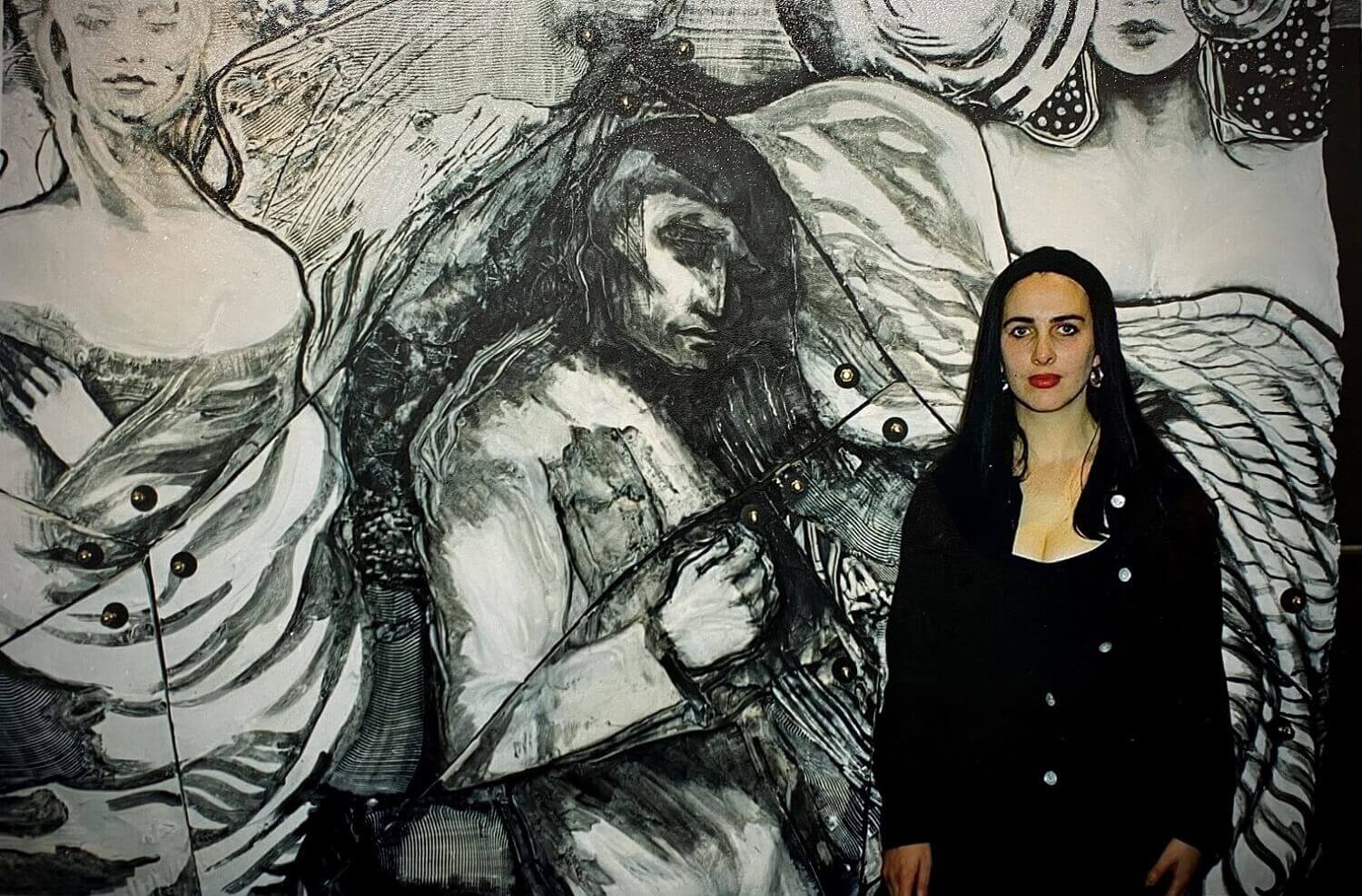
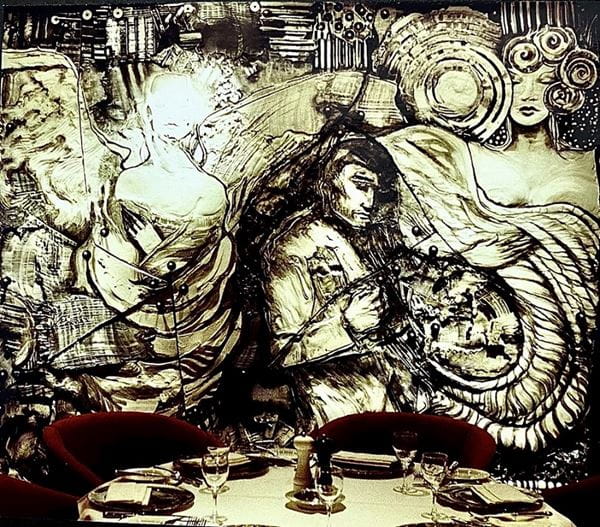
Cathy's connection with Eduardo Paolozzi gained her the commission for this piece, which was part of the refurbishment of the ICAEW's restaurant. Prue Leith's Leith Catering had been appointed in February 1992 to look after the running of the restaurant and the Institute's other catering requirements.
Some images of the the design and construction of the frieze:
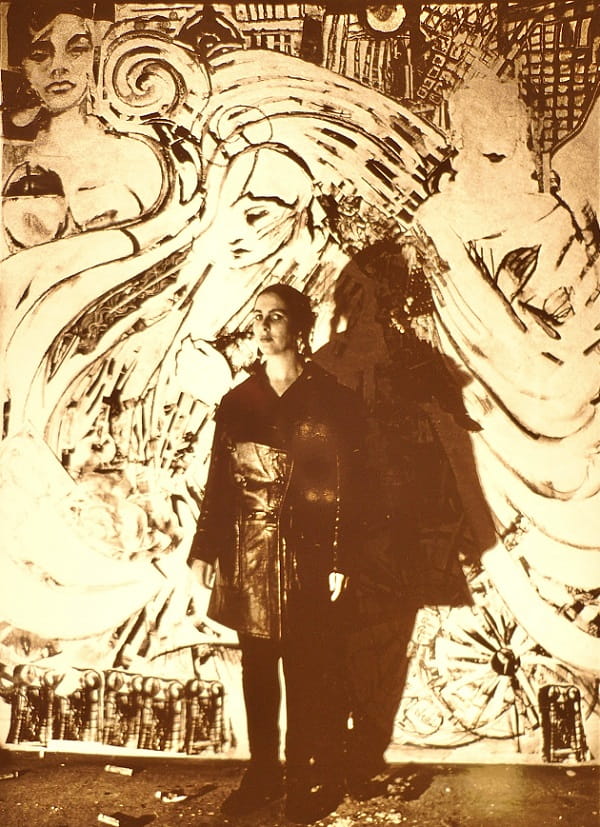
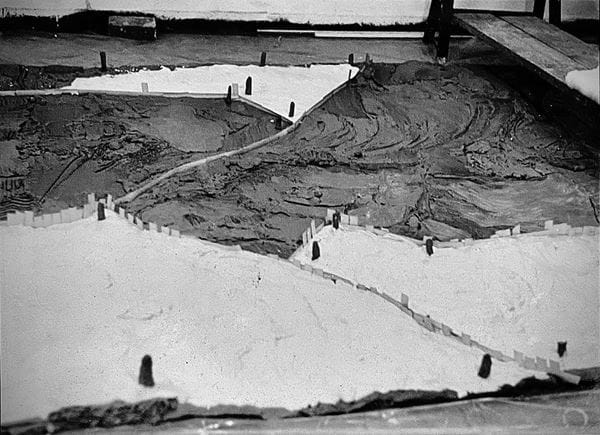
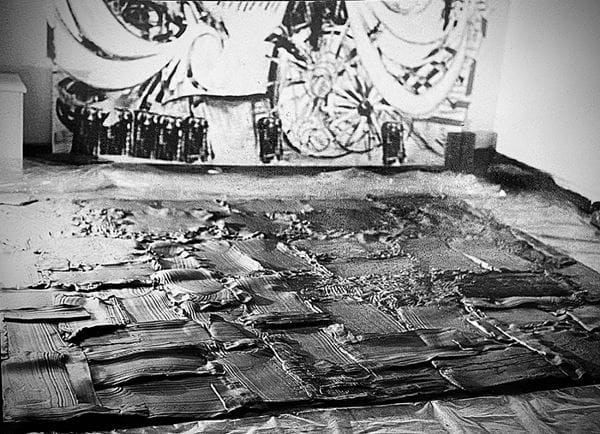
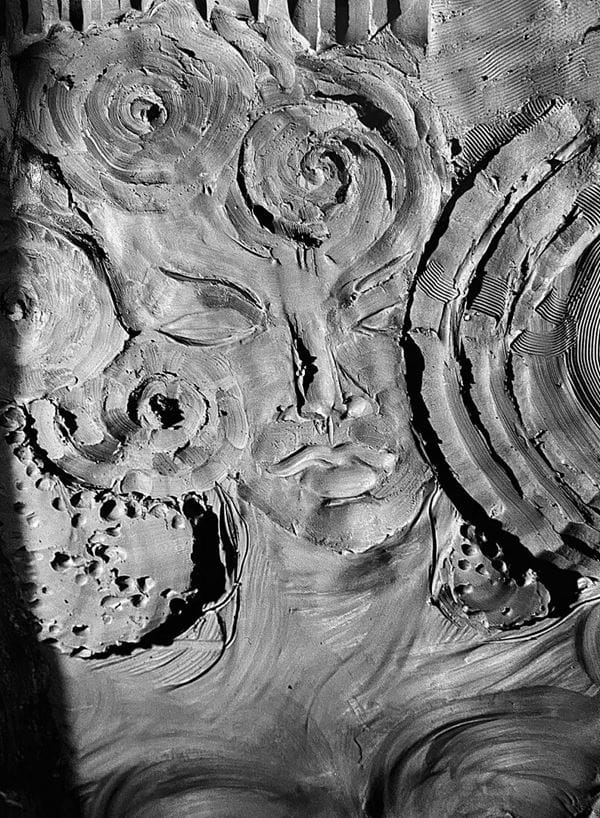
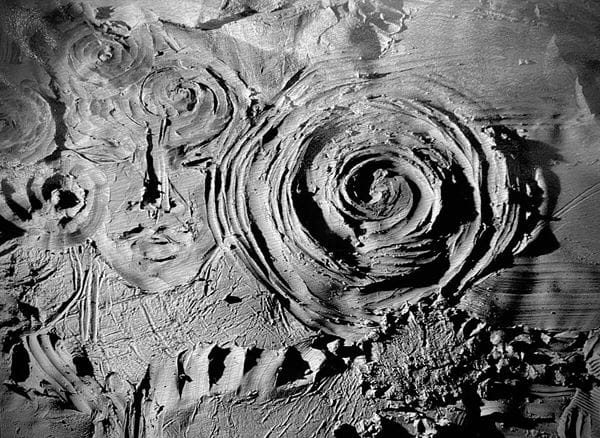
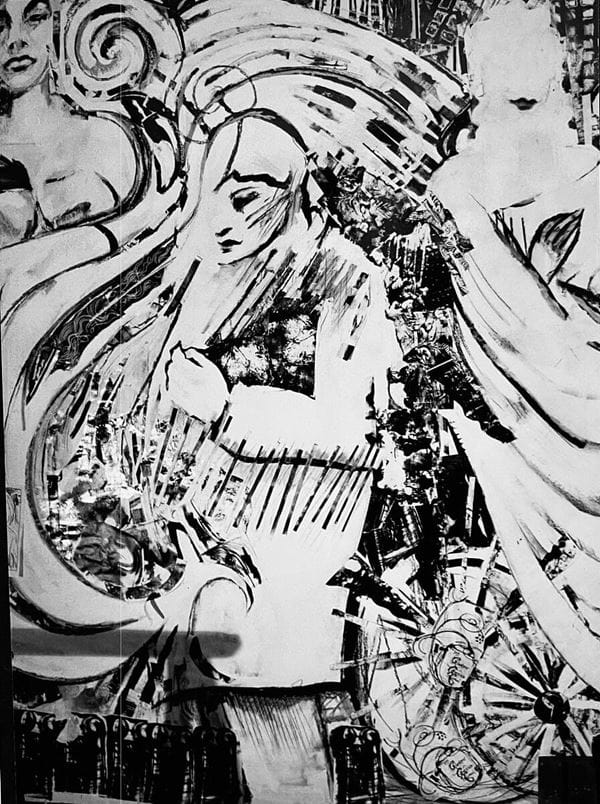
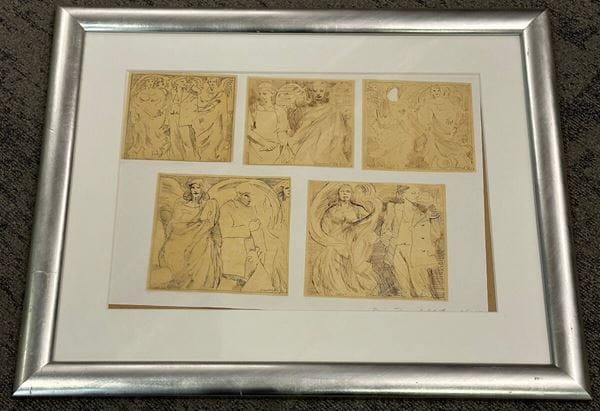
Ward gained inspiration from the frieze around Chartered Accountants' Hall, by Hamo Thornycroft, as is clear by the title of the work. As she describes it:
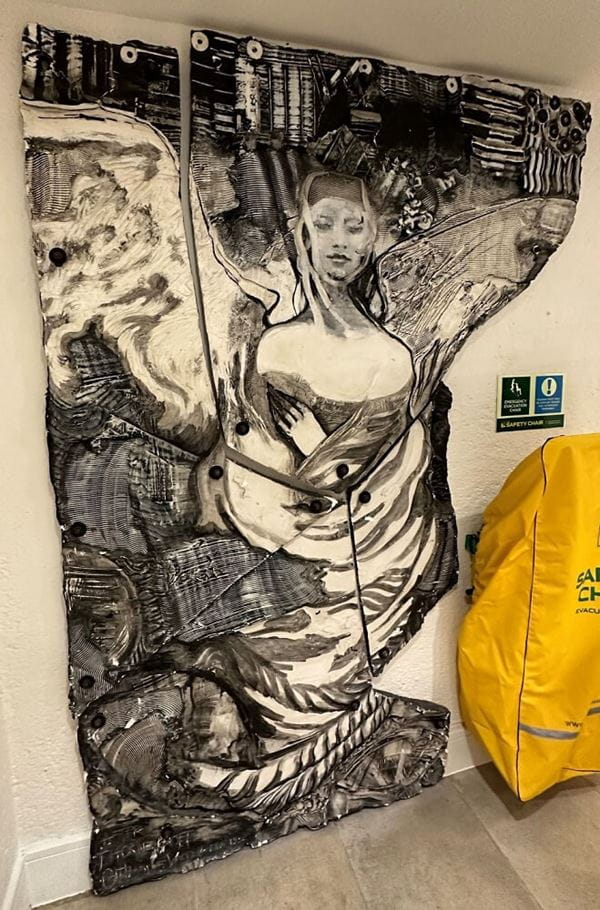
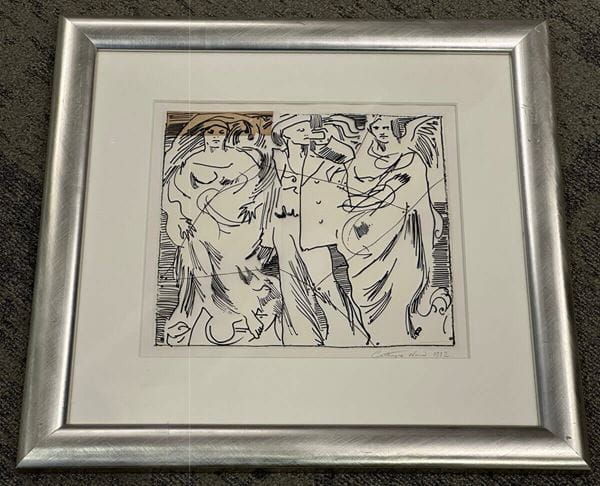
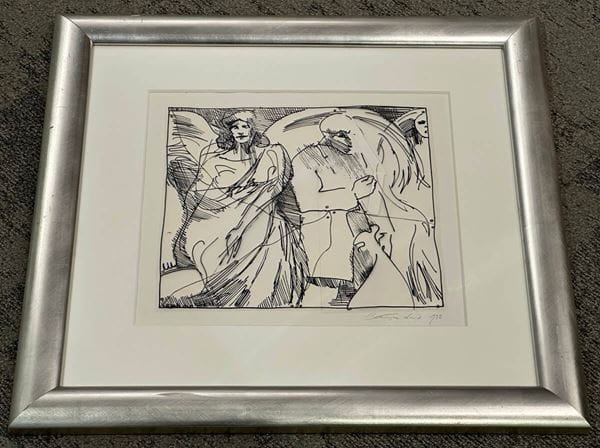
"It [the central figure] represents the working man. The figure is a combination of the original frieze figures the sculptor Thorneycroft [sic] sculpted which runs around the outside of Chartered Accountants Hall. It was bringing a reference to the tradition of the institute, its building, history, and grounding the central figure as the working man - an earth figure surrounded by two larger ethereal female figures: one representing life, abundance, growth & the other a winged figure representing guidance & protection from the spirit world."
Here are some examples from the exterior of Chartered Accountants' Hall that influenced that artist:


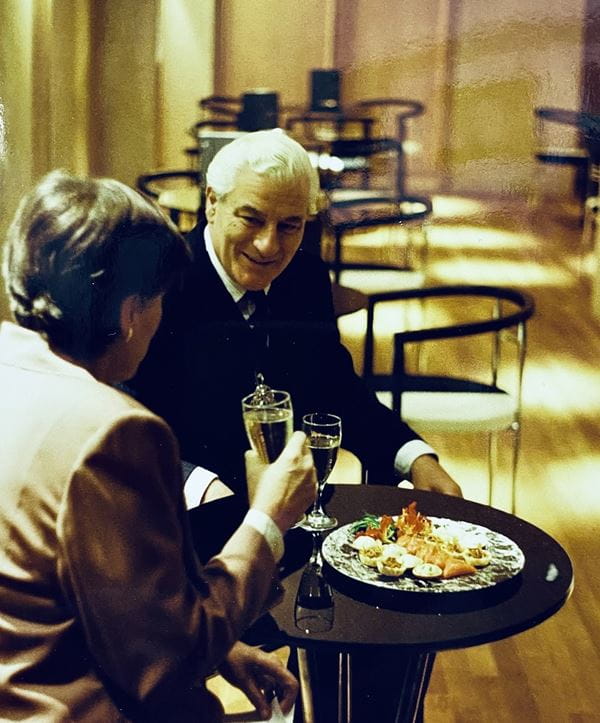
The restaurant, 'Leith's', was officially re-opened by the Lord Mayor of London, Sir Brian Jenkins (a chartered accountant and a former president of the ICAEW) on 23 September 1992.
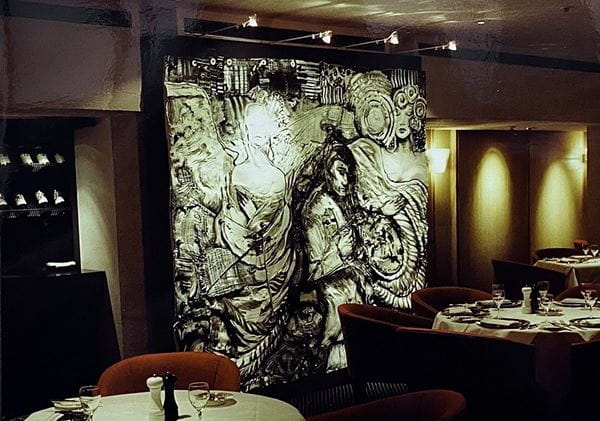
Accountancy reported "According to Ms Leith, the designers have gone for a 'serious and conventional restaurant' look 'which will not frighten members with too much yuppie jazzdom', but which is also fun - 'witty, modern and stylish enough to encourage them to come'.
"Reactions have been mixed, ranging from love it to loathe it. Lord Mayor of London Sir Brian Jenkins seemed lost for words in trying to explain the sculpture...'that extraordinary thing'... which now stands, he said, where former Institute secretary John Hough used to lunch."
Here are some images of the frieze in situ and Prue Leith and Sir Brian Jenkins at the launch of the restaurant:
The frieze today
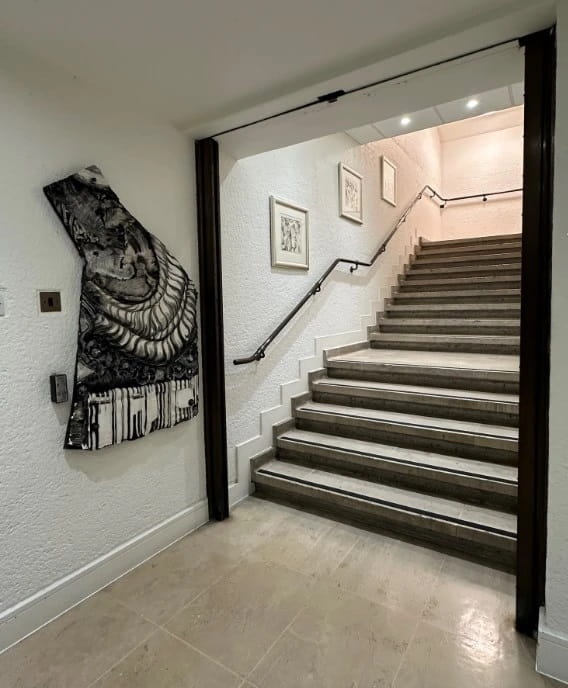
In June 2015 the restaurant, now called 'One Moorgate Place Restaurant' (after a stint as 'Esca'), closed and the space was repurposed as temporary office space. The frieze had already been removed and put in storage after a previous refurbishment. In 2019 the space reopened as the One Moorgate Place Club and the frieze was relocated to the lift lobby outside, where it is hung today.
Unfortunately, the centre piece of the frieze 'the working man', does not survive.
In Spring 2026, Cathy revisited Chartered Accountant’s Hall for the first time in 34 years and undertook some restoration work on her work. Not only did she repair damage that the piece had accrued over the years, but she also added to the work to compensate for the lost figure and brought out details that she was unable to do with the time constraints she was under at the time.
Image gallery: Post-restoration
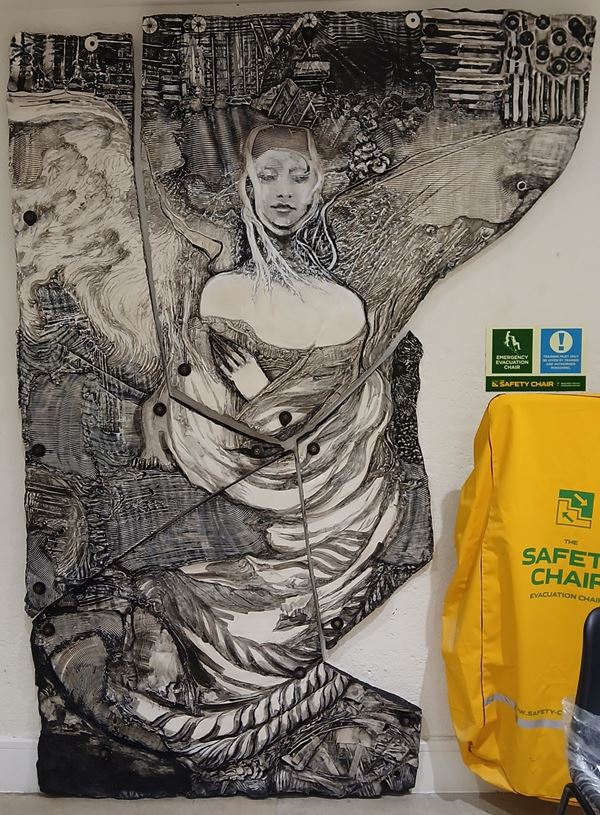
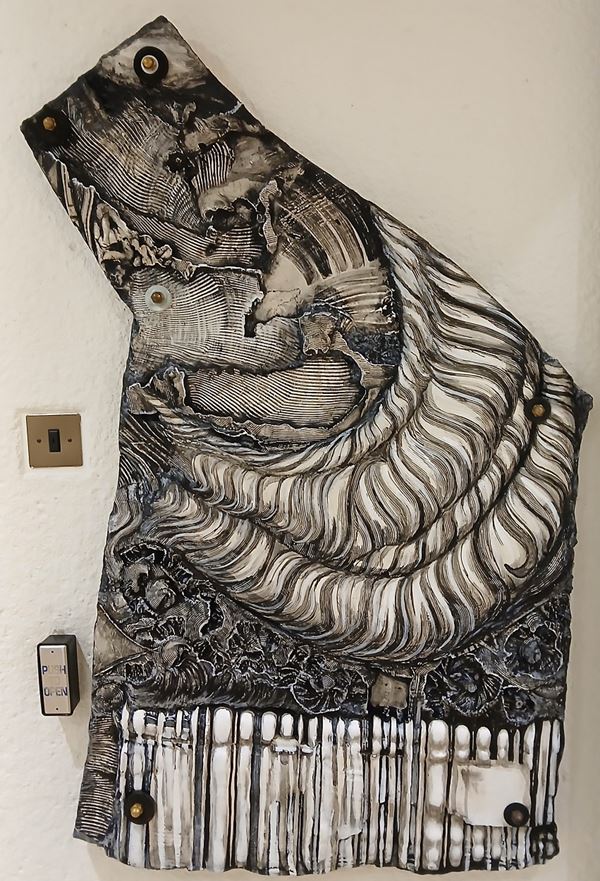
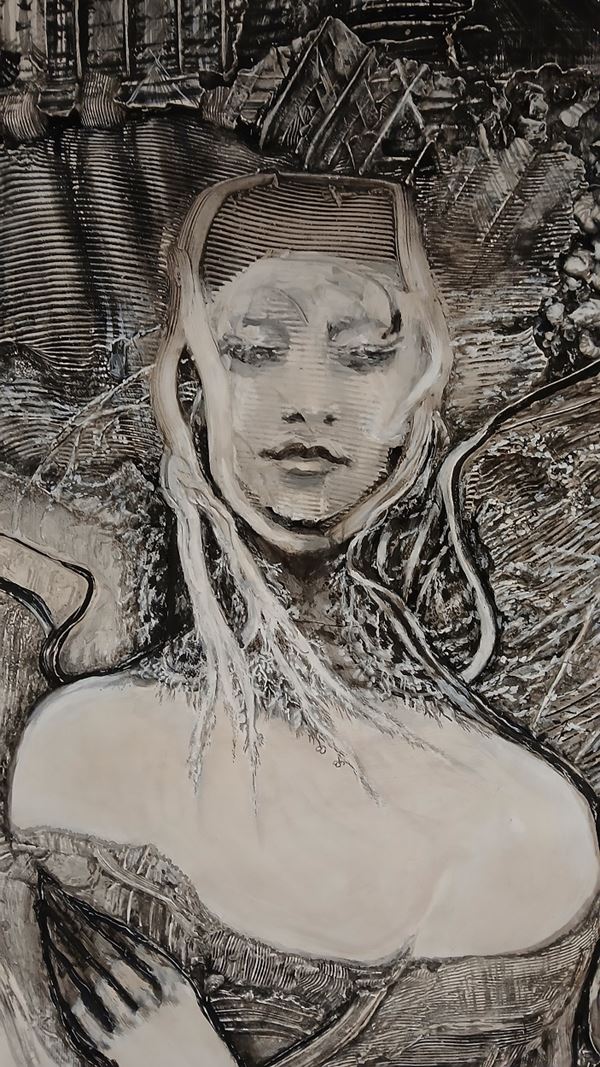
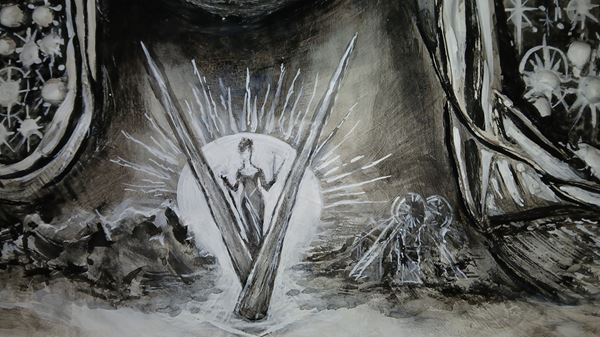
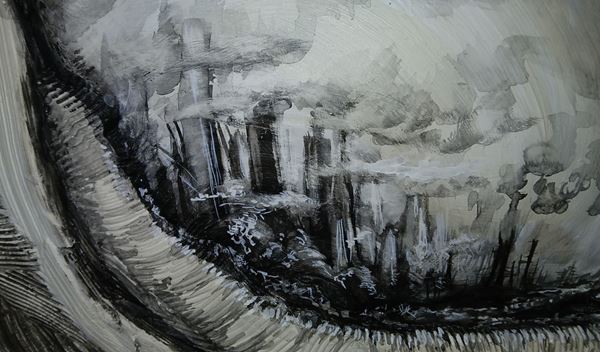
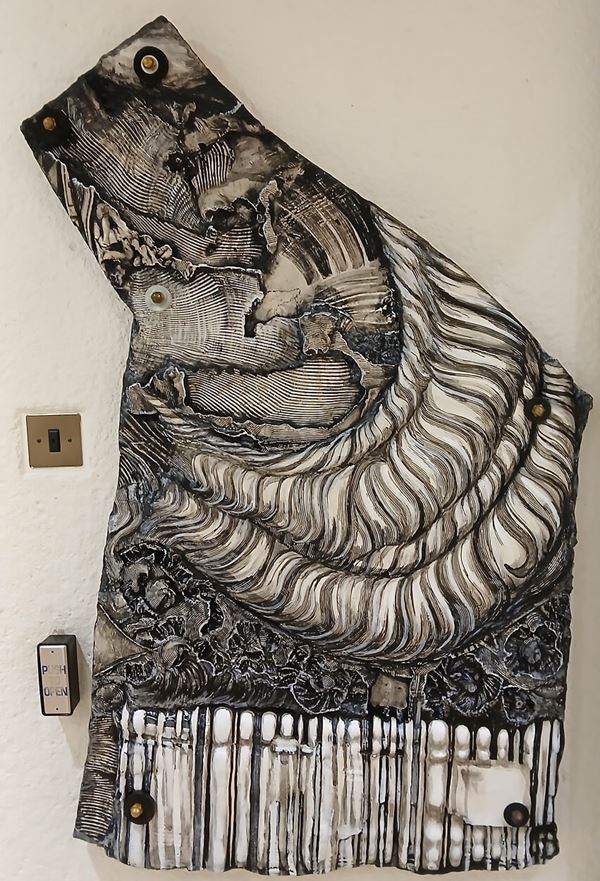
“When I was first commissioned to do this piece I had very little time, 6 weeks I recall. I was the last artist brought in to create a work for a fairly large wall. On my own initiative I researched the buildings existing sculptures, to see what I could learn about the building and use this as a starting point bringing history from the outside in.
The sculpted surface of the frieze I created in 1992 had areas that remained quite hidden as I hadn’t had the opportunity to properly bring out the details because of the physicality of the material.
With the short time scale from making the piece flat on the ground, to also painting it on the ground, not upright as you would want, the plaster was so new, and yet to fully cure, hard but not fully hard.
Now, decades on, the piece is dry to perfection, bone hard and once the sculpted surface ridges were slightly sanded, it is revealing a wealth of details I’d sculpted all those years ago, which I had previously intending to be more prominent but now was a much easier task to bring them out of the shadows.
This I started doing, sanding lightly, creating a sense of light beaming out of the shadows. This was like excavating, revealing a buried past.
As the middle figure of the working man was now lost from the original frieze, the meaning the piece had in relation to the workings of the ICAEW was also now irrevocably changed. It was now left decorative, its content less about man’s trades and endeavours which was at the heart of the original intact piece.
So I realised as I went on that some of that content had to be brought back in as best I could to give it relevance to the values of the Institution.
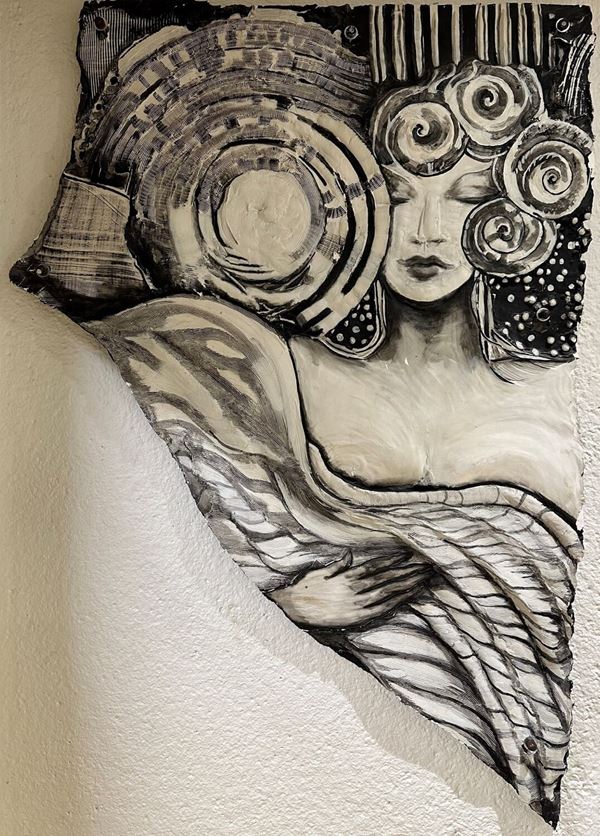
The second female figure (right hand side) I then developed into a symbolic, mythic figure representing Industry, finance, trades & communication.
I Incorporated an industrialised built landscape growing from the heartland, the hemispheres of her breasts represent the sun rising in the East and setting in the West = The working man’s day.
In the left-hand corner above smoking factory chimneys are a fleet of ships bringing commerce and trade from across the seas, materials for tradesmen to hone their craft and create income
A part of the skyline here alongside the factories holds the ever growing, ever changing, city’s financial centres.
In the central cleavage dividing the 2 hemispheres is a pole which started off as a tree, the tree is a central material that has helped build empires, this tree trunk is stripped and it’s now a telegraph pole. Surrounding the pole is a rising spiral ribbon floating upwards, linking trees to communication commerce and also its ancestor - coal, and the coal industry. One reason I used Sumi ink was because it’s made from soot, it’s a meaningful cycle of how we have utilised the Earths produce. Also buildings being streaked black and white from the soot in cities, we once lived in a blackened cityscape which I actually quite loved.
This upright pole supports the measure and between its open callipers holds the dawning of the female figure, Economia. Her attire is purposely altered from the current representation logo of the ICAEW, as her fashion is more in keeping with the 19th century.
Either side of these centre symbols are the earthly untidy landscapes of mining, which drove, the very core of industry in the 19th century into 20th century etc
The spirals that emanate from the right hand side females head allude to systems of trading.. representing movement & communication which link up to the protective energy being shared by the lefthand ethereal winged figure. An energy line emanating from the left-hand figure bridging both females and creating unison.
A background sky of planets and stars represents the eternal universe which grounds the heavens and Earth
Around the winged figure to left hand side, her head is entangled with the slim branches of a flowering plant, adorning her eyelids and throat with fallen petals. These flourishing roots about her neck & chest symbolise regeneration and prosperity.
The women’s loose toga like garments have rolling undulations representing movement. The winged figure hovers above the heavy wheels of industry; the right-hand figure stands above a baroque bar code. The barcode lines can be seen throughout the piece linking it together.
Above the ‘barcode’ & in other areas around the frieze are deep centric fissures which represent mining of fossilised fuel & mineral extraction.
I have attempted to portray with this updated renovation an earthly world of mans’ labour and ingenuity, existing within unseen energies and fantastical systems of visions & beliefs."
Cathy Ward, April 2026
Image gallery: Pre-restoration
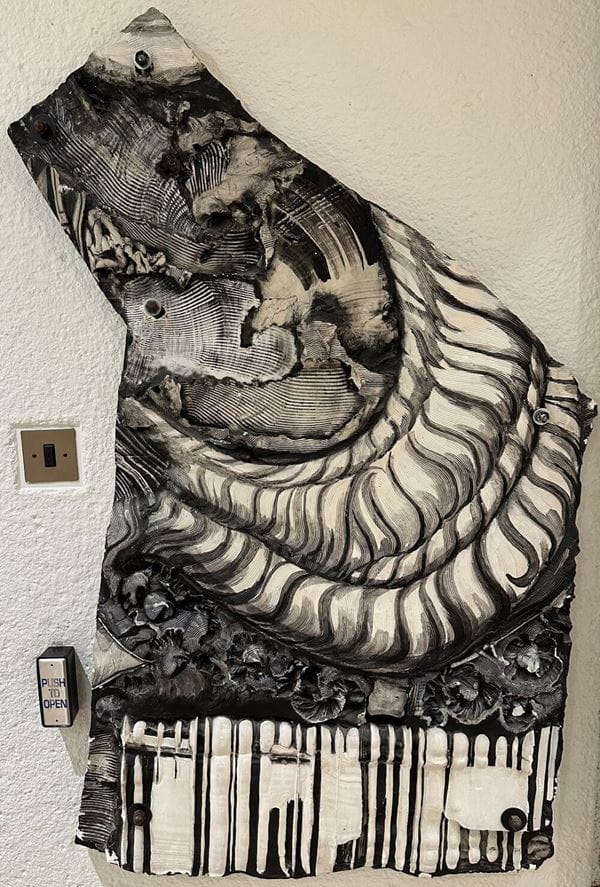
I sincerely hope the members do agree it’s now a much finer piece of work that has relevance to the ICAEW
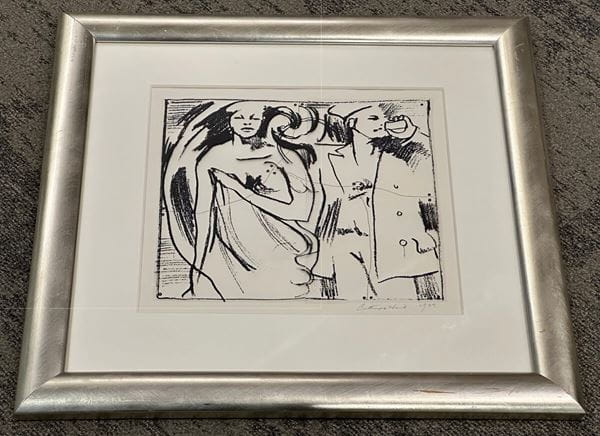
The 'lost' sketches
Bibliography
Liberty Realm: works by Cathy Ward (2020, Strange Attractor Press)