
As artificial intelligence transforms audit practices, professional ethics, scepticism and human judgement remain essential. ICAEW member Muhammad Taha Nadeem explores the practical applications of AI in audit and why maintaining professional integrity is critical to audit quality.
Working on a recent complex audit engagement reminded me that as AI becomes more embedded in our profession, integrity and professional ethics matter more than ever.
The engagement involved challenging accounting treatments, difficult client dynamics, tight timelines, and the constant need to uphold audit quality. It also reinforced for me how much AI is beginning to influence audit practices across the engagement lifecycle — from planning to conclusion — and why professional judgment and skepticism remain essential.
One practical example is preliminary analytical procedures. AI tools can quickly generate explanations for year-on-year movements when provided with current year and prior year numbers. In many cases, this is an area prepared by junior team members using AI tools and sometimes not scrutinized deeply enough by more senior team members.
But this is exactly where human judgment matters. The reasoning generated by AI must be tailored to the client’s specific circumstances, current year business dynamics, and underlying facts. It should not remain as generic or boilerplate wording. The preparer is responsible for giving the right prompts, critically assessing the output, and refining it into appropriate audit documentation. The reviewer also has a responsibility to challenge the explanations for unusual movements rather than allowing a working paper to be finalized simply because “AI said so.” The final accountability still rests with us.
Another example is the use of AI in drafting technical accounting memos. While AI can help structure thoughts and improve efficiency, it can also hallucinate and fill in gaps with information that sounds reasonable but may be inaccurate or not fully applicable. This becomes particularly risky when accounting standards, regulatory requirements, and technical citations are involved. Audit teams must still validate the references, confirm applicability, and ensure the final memo reflects the actual facts and requirements.
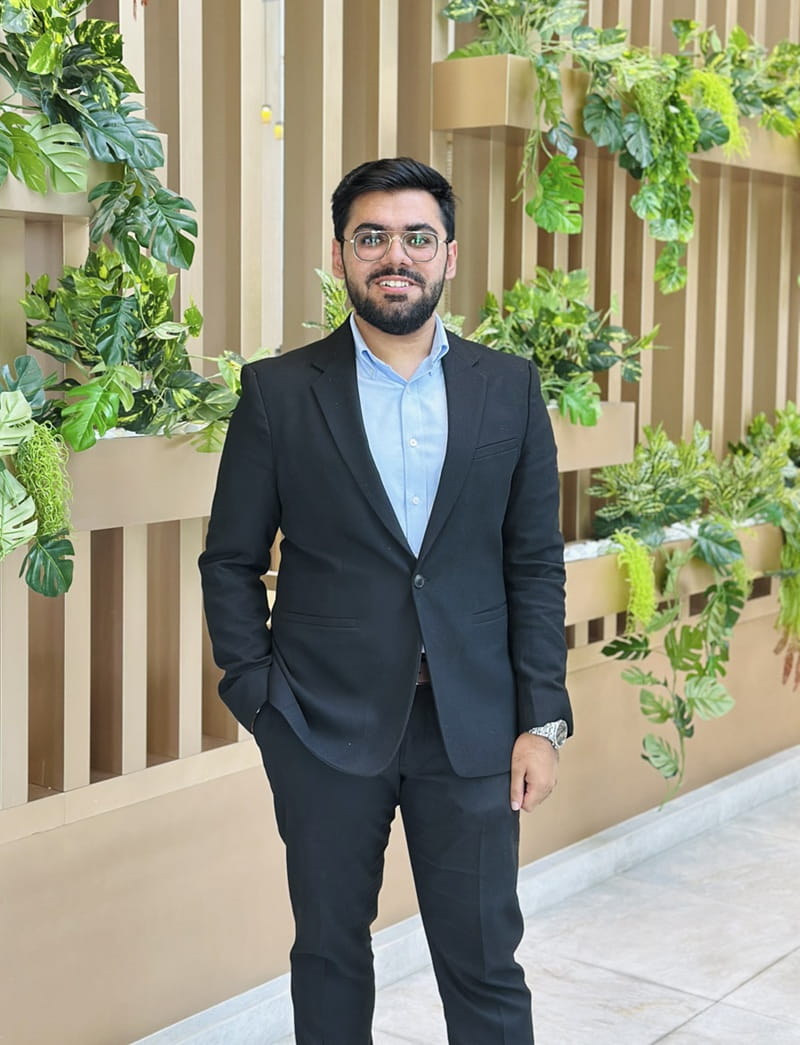
Muhammad Taha Nadeem
A few key reflections stood out for me from this experience:
- Maintaining a questioning mind and exercising professional skepticism throughout the audit has never been more important, especially when using firm-developed AI tools.
- Integrity, in its truest sense, is doing the right thing, and it is often tested most in time-pressured situations — especially when no one is watching.
- It is essential to maintain appropriate professional distance from client management and remain alert to contradictory audit evidence throughout the engagement.
- As AI adoption accelerates, human oversight is not optional. AI output should support audit work, but it should never replace critical thinking, judgment, and accountability.
- Professional competence and due care remain critical, particularly as the audit profession continues to navigate regulatory findings and inspections.
- Continuous learning is necessary to stay current with both evolving AI tools and the regulatory expectations around their appropriate and compliant use.
- Strong communication, timely stakeholder engagement, leadership involvement, and coaching junior team members all remain essential to sustaining audit quality from planning through to conclusion.
For me, the real conversation about AI in audit is not only about efficiency or innovation. It is about how we continue to apply integrity, skepticism, competence, and sound judgment in the moments that matter most.
Technology will continue to shape the future of audit, but professional ethics and human judgment will continue to define the quality of our work.
About the author
Muhammad Taha Nadeem is an Assistant Audit Manager at Deloitte in Saudi Arabia, with seven years of experience in audit. He is an ICAEW member and ACCA-qualified professional with a keen interest in data analytics and the evolving role of artificial intelligence in audit. He is also a member of ICAEW's Young Volunteers Working Group in the Middle East.