Early life
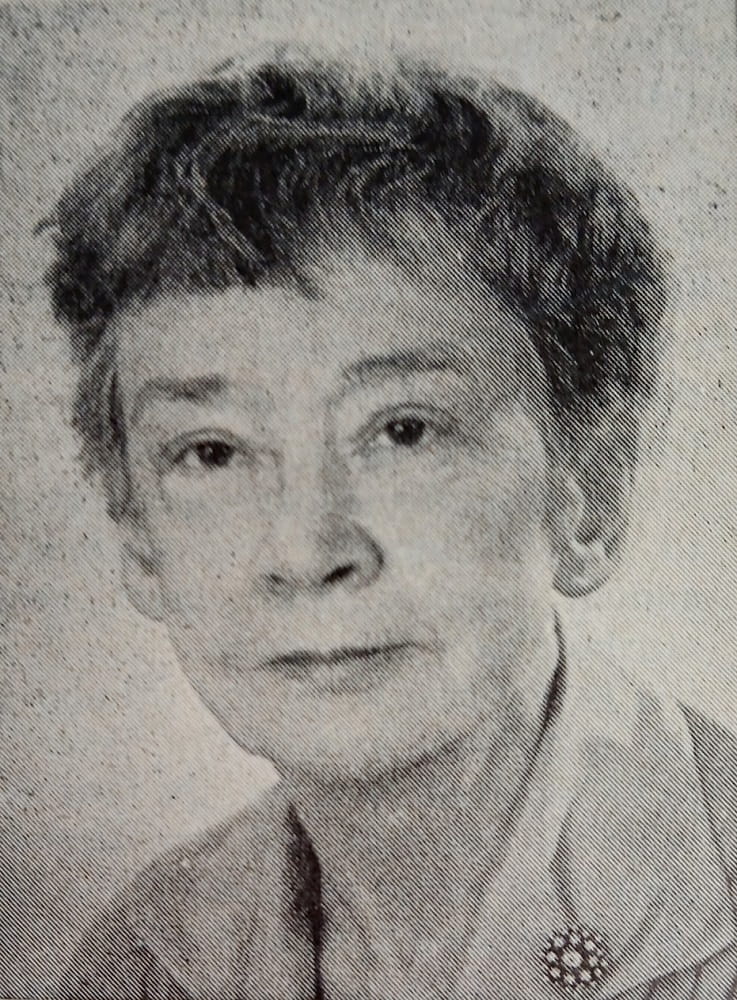
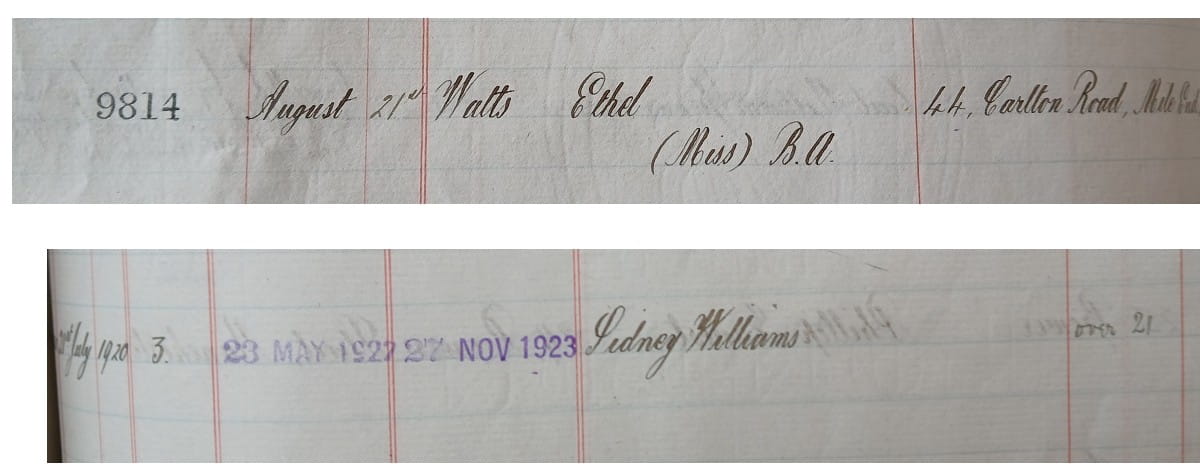
Ethel Watts was born in Mile End in the East-End of London in 1895, to John Watts, a police constable originally from Carmarthenshire and Caroline Poole, an East-end native. The family lived at 44 Carlton Road, Mile End. John later worked for the Gas Board after retirement from the Metropolitan Police.
Watts attended Coburn School for Girls in Bow, before studying at Bedford College. She then read history at Royal Holloway College, and was awarded a 2nd class B.A, (Hons.) in 1916. During World War 1, Watts was employed as an administrative assistant in the Ministry of Food and at one point was private secretary to the Director of Oils and Fats. It was while working at the Ministry that she met Sir Harry Peat, who advised her to take up accountancy as a career, rather than her original plan of the Law.
Early career
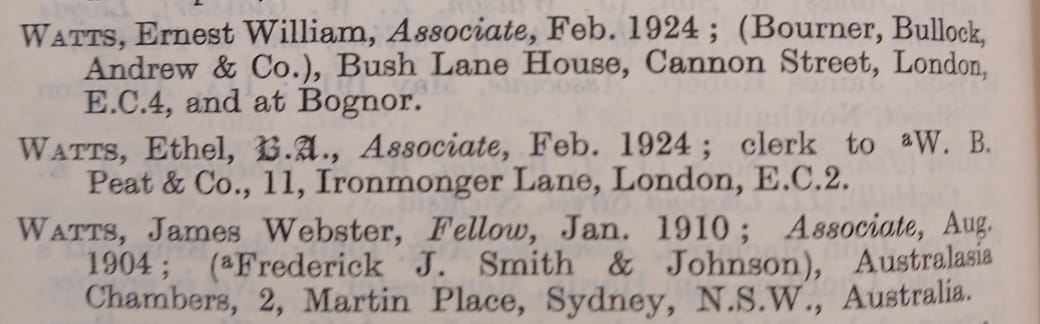
After choosing accountancy, she was articled to Sidney Williams FCA in Manchester and joined Harry's father's firm W.B Peat & Co., in Ironmonger's Row, after qualifying. In 1925, after obtaining her practicing certificate, she went into practice in the firm Homersham & Watts of Clements Lane, London. Her partner at Homersham & Watts was Miriam Homersham, a member of the Society of Incorporated Accountants and Auditors since 1922 and a co-founder of Britain's first housing association, Women's Pioneer Housing. Watts then went into practice on her own as E. Watts & Co in Chandos House, Palmer Street, W1. Later premises were located at 77 Dartmouth Street, 7 Victoria Street and 35 Victoria Street, all in SW1.
Like Mary Harris Smith, Watts was also an member of the Society of Incorporated Accountants And Auditors, becoming an associate of that organisation in July 1920 (the 20th woman to do so).
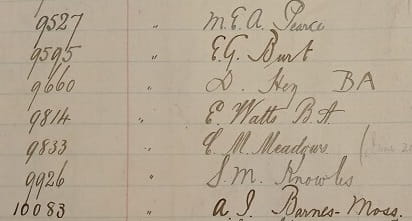
Watts married a doctor, Oscar Tobin, in 1929, but always practiced under her maiden name, officially the couple were known as Watts-Tobin. She continued as a sole practitioner until retiring in 1961.
Watts was rare in early woman chartered accountants as she did not seem to have any family connections to accountancy firms unlike contemporaries such as Ethel Lovelock and Mildred Pearce. She was also the second woman (after Mary Harris Smith) to have other women as articled clerks, for both the ICAEW and the SIAA .
Although support from men in the profession was essential, since women could not qualify without male accountants taking them on as articled clerks, there were still other obstacles to overcome. Many ICAEW members felt that women should be treated differently to women and in some instances they were. For example, women had to sit separately from men in the examination hall rather than in alphabetical order among the male candidates. Watts raised this issue in a letter to the ICAEW president in 1935. She objected to this as it compromised the anonymity of the examination scripts. The response from the Institute was that the ‘fairer sex’ would distract the male candidates. In a 1945 article in The Accountant advising women should insist on going out on audit rather than staying back in the office. Like Mary Harris Smith, Watts was adamant that women should be treated no differently from men: equality was the aim, not a preference.
Active ICAEW member
It can be stated with confidence that the first 25 years have proved that women are useful members of the accountancy profession
Watts mainly provided tax advice, with her husband remarking in The Accountant (in an article entitled ‘I married an accountant – by a husband’), that she was always glued to the wireless when the Budget was broadcast. She did have audit clients, including a firm of hatters who felt a female auditor might be more understanding of their problems than a man. Like Mary Harris Smith, Watts was also the treasurer for, and provided tax advice to, a number of women’s groups. Watts admitted that this was her deliberate policy as it was a useful way to gain clients. In her own records there is a letter from Smith passing on the audit of the Soroptimist Club to Watts.
Watts was actively involved with ICAEW and an official delegate at Eight International Congress of Accountants in New York. She was also the first woman to be elected to the committee of the London and District Society of Chartered Accountants (1950-1960). She recounted that the first dinner she was entitled to attend, as a committee member, was held at the Junior Carlton Club, which did not allow women to be admitted. She wryly pointed out that she would have been allowed in if she was a waitress! She also told of the time that she received an invitation to a student dinner as E. Watts Esq. With the request that she wear a dinner jacket.
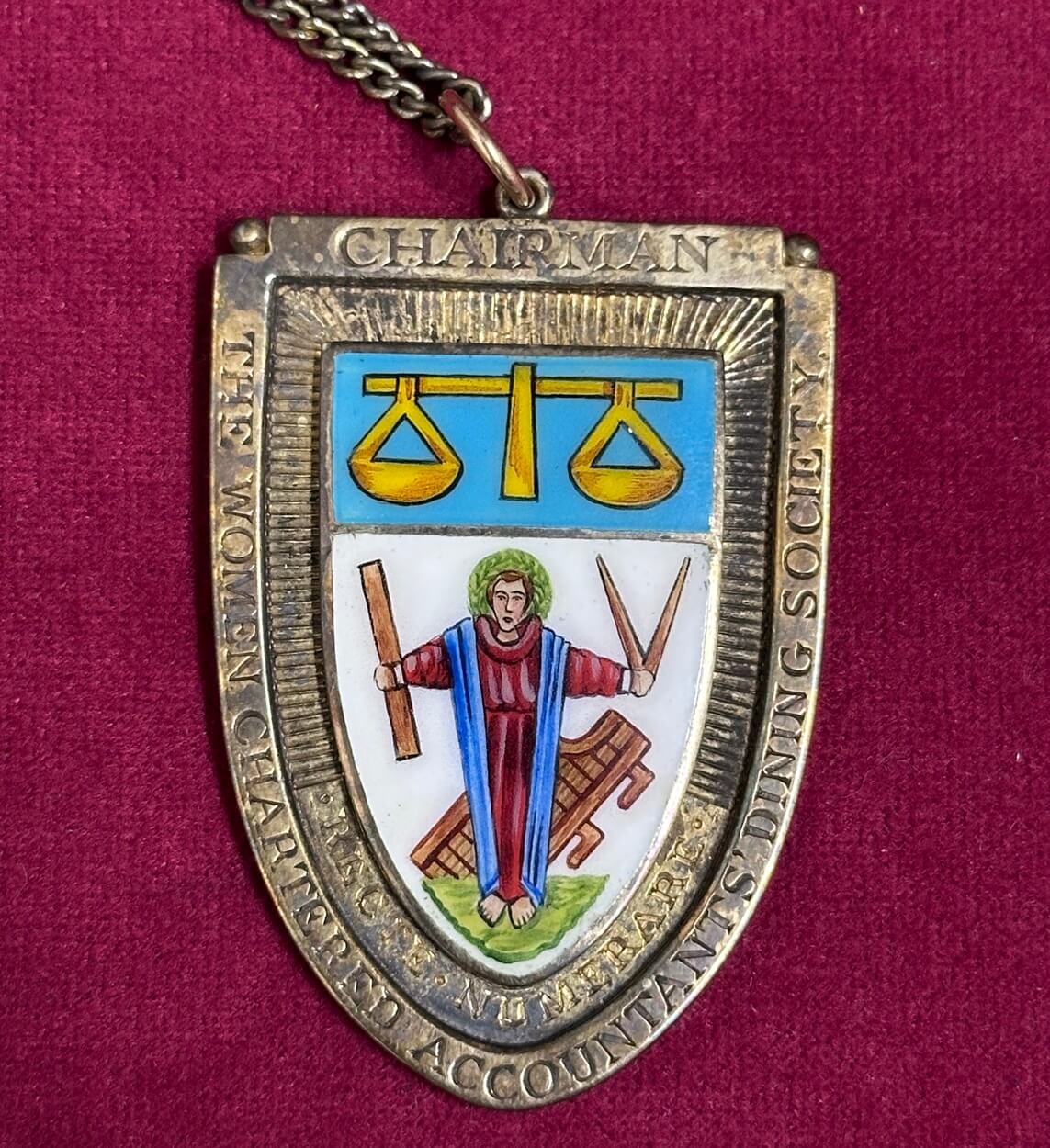
She was a member of the executive committee of the Chartered Accountants’ Benevolent Fund from 1953 until her death. In 1945, when the number of women joining ICAEW was increasing, she founded the Women Chartered Accountants’ Dining Society to provide an opportunity for women in the profession to meet. The Watts prize was established by the Society in her memory. In her final years she was a major contributor to The History of the Institute of Chartered Accountants in England and Wales 1880 - 1965 (Heinemann, 1965), although she did not live to see it published.
For the woman who is proposing to enter into articles it is essential that she should make certain that she is choosing a firm where will be treated in every respect in the same way as if she was a man
Later years
As well as the accountancy profession, Watts was active in the movement to secure equality for women from the 1920s to the 1960s. She was involved with the London and National Society for Women’s Service and continued this work when it became the Fawcett Society, offering her services as an accountant, she also was a trustee of the society's library. She was a member of Chiswick Borough Council for several years (her husband had been president of the Mile End Labour Party, the first Jewish Mayor of Stepney and a founder of the Socialist Medical Association) and had worked to improve library services in the East End of London in her earlier years.
She died suddenly in 1963, at home in Queen's Road, Wimbledon, on 19 November. The many letters of condolence sent to the Fawcett Society spoke of her ‘clear brain’ and ‘ability’, but also that she was charming, delightful, kind and elegant, as well as an avid reader and music lover with catholic tastes in both.
There are uncountable hundreds of women in this country who do not know to what extent they owe their emancipation and their status to the undefeated persistence and application of women like Ethel Watts
Further reading
- Ethel Watts - KPMG film telling Ethel Watts' story
- Obituary. The Accountant, 30 November 1963. p703
- Obituary. Accountancy, December 1963. p1066.
- Woman Accountants. Ethel Watts, The Accountant.11 September 1948 p211
- I married an accountant – by a husband (The Accountant. 25 December 1948 p510-512)
- Unnamed article (The Accountant, 1945)
- Check our Library catalogue for books and articles on Ethel Watts
To find out how you can borrow books from the Library please see our guide to borrowing books.
You can obtain copies of articles or extracts of books and reports through our document supply service.
Photograph credits
Some of the photographs on this page come from The Accountant or Accountancy which did not give photographic credits. We have assumed the copyright of these pictures is the ICAEW's but please contact us if you believe this is not the case
Acknowledgment
The text of this page is adapted from the ICAEW booklet 100 Years: Celebrating women in Chartered Accountancy (2020) written and researched by Dr Jane Berney with further research and additions by the ICAEW Library & Information Service.
Can't find what you're looking for?
The ICAEW Library can give you the right information from trustworthy, professional sources that aren't freely available online. Contact us for expert help with your enquiries and research.
Timeline
Follow our timeline to explore the development of the accountancy profession in the United Kingdom and the course of events that led to the creation of ICAEW, a story that takes us from ancient times to the present day.
See more