First female council member of a UK accountancy body
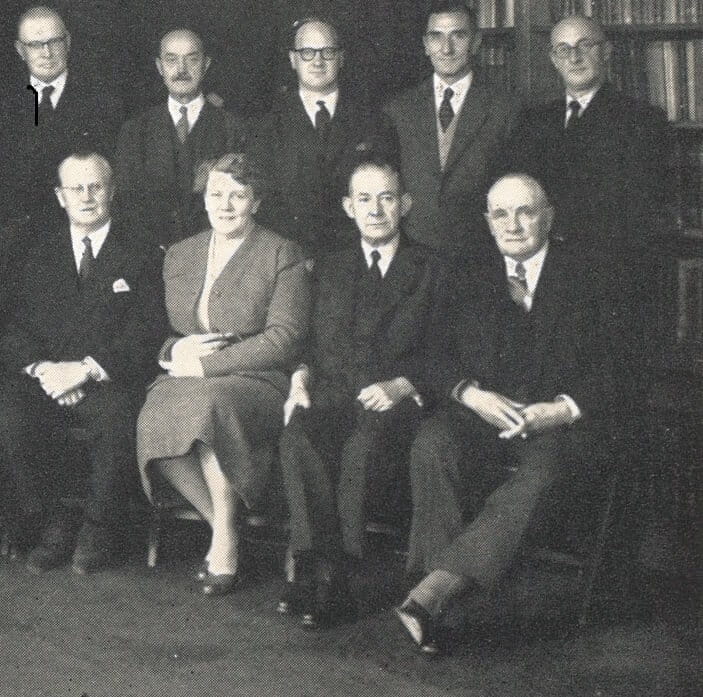
Phyliss Elizabeth Marie Ridgway became the first female council member of a UK professional accountancy body when she was elected to the Council of the Society of Incorporated Accountants in 1940.
A graduate of London University, she had qualified as an Incorporated Accountant in 1922 after serving articles to her father, G.A. Ridgway FSAA, the first woman to became an associate of the SIAA from articleship. She became a partner in her father's firm in Hull in 1929.
At the time of her appointment to the Council, she was a Justice of the Peace for Hull and a member of the Executive of the British Federation of University Women and of the Hull 'A' Group Hospital Management Committee. She had previously been President of the Hull District Society of Incorporated Accountants. As the SIAA (then called the SIA) merged with the ICAEW in 1957 she was the only woman to serve on the Society's council.
First female ICAEW council members
Jane Robinson and Mary Yale were the first female members of ICAEW's Council in 1979.
Jane Robinson
Jane Robinson (now Allan) was educated at the Convent of Notre Dame, Southwark, and in Munich. She worked as a bi-lingual secretary before signing her accountancy articles at 21, training with London firm J.Dix-Lewis, Caesar, Duncan & Co (later merged with Robson Rhodes) and went on to become the first female partner of Edward Moore in 1978, at the age of 30.
Robinson also pursued a number of other careers, becoming the technical editor at Accountancy magazine from 1973-1975, before becoming a training manager at Edward Moore. After a brief sabbatical in the advertising industry she returned to Edward Moore in 1978 as a training partner. The firm wanted to contribute more to ICAEW and so she spent time on committee work on her return.
In 1979 she became a member of ICAEW council, the first member of her firm to be on the Council since 1923. She had previously been chairman of the Education Sub-Committee of the London Society of Chartered Accountants and the examination system was a particular area of interest when she took office. She served on the Council until 1984 and was a member of several standing committees including the Examinations Committee (1980-82), Members' Education and Training Committee (1981-1982), Students' Training Committee (1981-1982) and the Smaller Practitioner Committee (1983-84).
In 1980, Robinson gave a speech at ICAEW's Centenary Conference entitled, 'Using that peculiar Contribution'. She welcomed the fact that more and more women were entering the profession, but felt that too often the role of women was restricted to tax and training, while female partners tended to be staff partners. Furthermore, she highlighted that many women, once qualified, were unable to develop their full potential. She urged the profession to make sure that the skills of all members were used fully, rather than lost to other professions or industries.
I probably got where I am by being a woman rather than despite being a woman
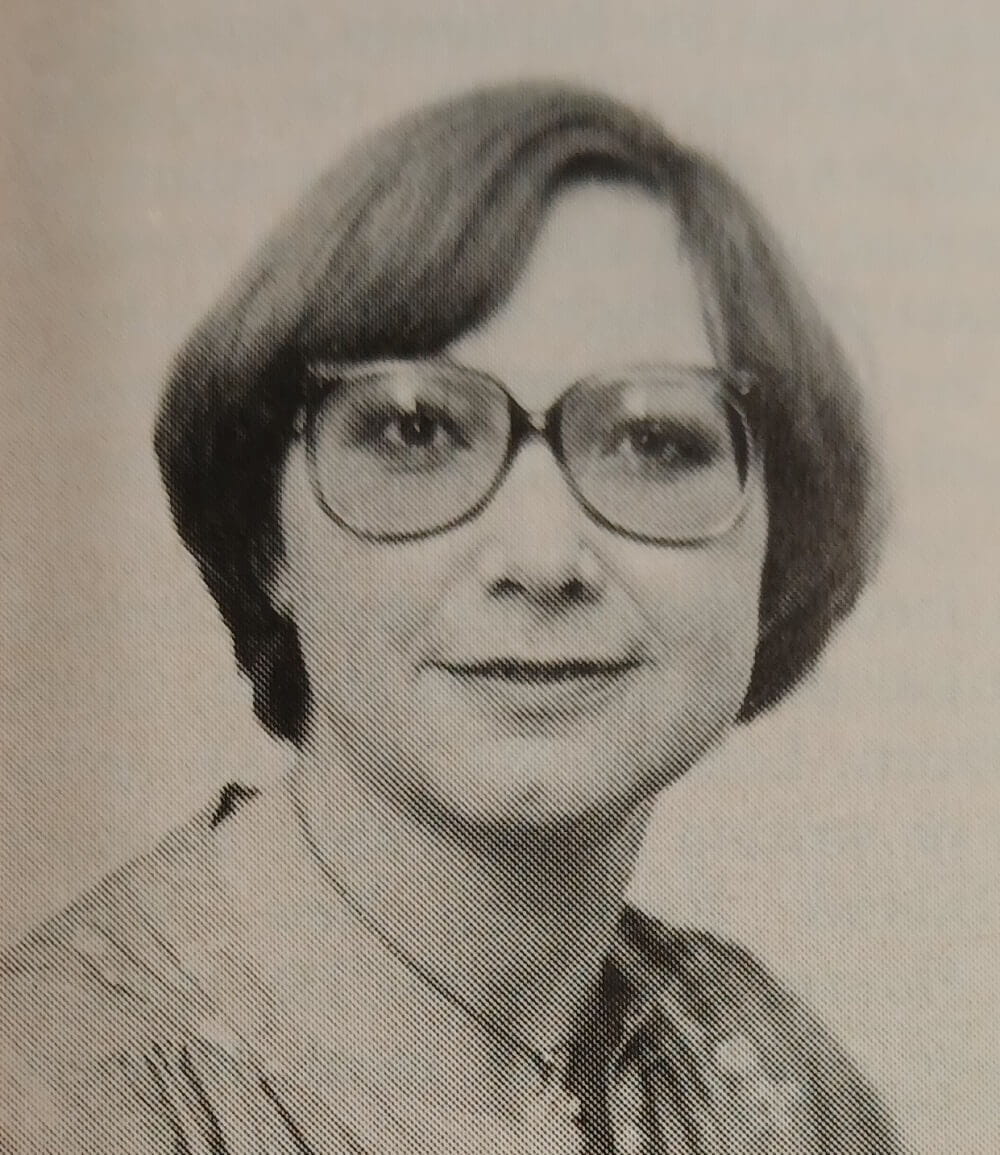
Social change has encouraged and enabled women to take a new role − I believe the opportunity is there and it should be used to the fullest extent possible. If such use is not made then not only will women who might have entered this profession be the losers, but so will the profession itself.
Mary Yale
Mary Yale won a number of ICAEW prizes as a student. Yale says she became an accountant because 'she liked playing with figures' and because her father wanted to. This was a decision that she never regretted.
In 1955 she was articled to Thomas Taylor FCA, a sole practitioner in Llandudno, North Wales and following her success in the ICAEW's examinations* she received multiple offers of employment from other firms. She joined Thomas McLintock & Co in 1961, first in the audit department before deciding to become a tax specialist in 1965, amid a period of major change in the UK tax systems with introduction or corporation tax and capital tax. Partnership followed in 1971 and remained with the firm throughout it's merger with Peat Marwick Mitchell in 1987, until her retirement in 1994.
Yale was on the committee of the London and Dstrict Society in the 1970s and she was elected to ICAEW council in 1979, serving on the Council until 1995.
In addition Yale was a member of a number of standing committees, including the Ethics and Parliamentary & Law Committees in her early years as a councillor. Later on she was regularly a member of the Tax committee and Professional Conduct Directorate, chair of the Internal Services Committee and the Technical Committee and vice chair of the Disciplinary Committee. Yale was a also founder of the ICAEW's first Faculty, the Tax Faculty, in 1991,
After retirement she joined the Livery Company - The Worshipful Company of Chartered Accountants in England and Wales.
*Second Certificate of Merit, the Tom Walton Prize and the Plender Prize for Bookkeeping and Accounts paper in the Intermediate Examination in 1957; First Certificate of Merit, the WD Peat Medal and the Plender Prize for papers in Taxation and English Law (parts I and II) at the Final Examinations in 1960.
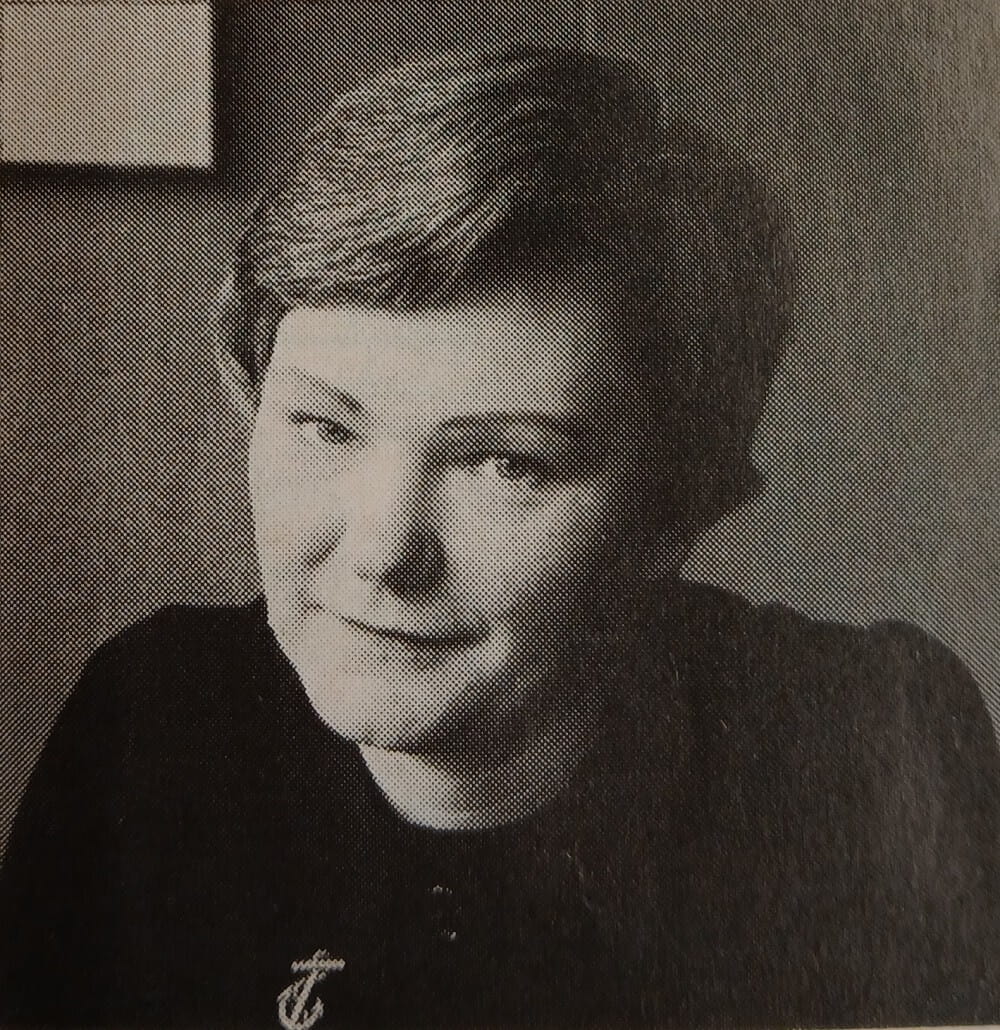
If you have the ability to do a job you should be allowed to do it
Further reading
Roche, S. 'Two women on Institute Council (but only one wants to be president),' Accountancy, July 1979, Vol. 90 Issue 1031, p13-13. 1/2p. (2 Black and White Photographs)
'Jane Robinson goes back to old firm as a partner,' Accountancy, Nov. 1978, Vol. 89 Issue 1023, p32-32. 1/3p. (1 Black and White Photograph)
Acknowledgment
The text of this page is adapted from the ICAEW booklet 100 Years: Celebrating women in Chartered Accountancy (2020) written and researched by Dr Jane Berney with further research and additions by the ICAEW Library & Information Service.
Photograph credits
Some of the photographs on this page come from The Accountant or Accountancy which did not give photographic credits. We have assumed the copyright of these pictures is the ICAEW's but please contact us if you believe this is not the case
Can't find what you're looking for?
The ICAEW Library can give you the right information from trustworthy, professional sources that aren't freely available online. Contact us for expert help with your enquiries and research.
Timeline
Follow our timeline to explore the development of the accountancy profession in the United Kingdom and the course of events that led to the creation of ICAEW, a story that takes us from ancient times to the present day.
See more