Foundation
In 1885 a group of accountants, mostly from England and Wales but with others from Scotland and Ireland, formed themselves into The Society of Accountants, after a meeting in London.
The new organisation was incorporated under the Companies Act 1867 and was licensed by the Board of Trade to omit the use of the word Limited from the Society's title.
The Society came into existence mainly from the continued development of accounting and the feeling that the existing bodies of accountants did not cover all members of this fledgling profession. It was felt that the existing bodies were almost a closed shop, although unsupported by legislation to limit practise to their members. Practising accountants with many years service could not join them without serving under articles (3 years with an undergraduate degree, 5 years without) and passing the examinations. In addition to practising accountants, there were also municipal and county accountants and treasurers who sought to have professional recognition, not to mention accountants in positions in business and Government.
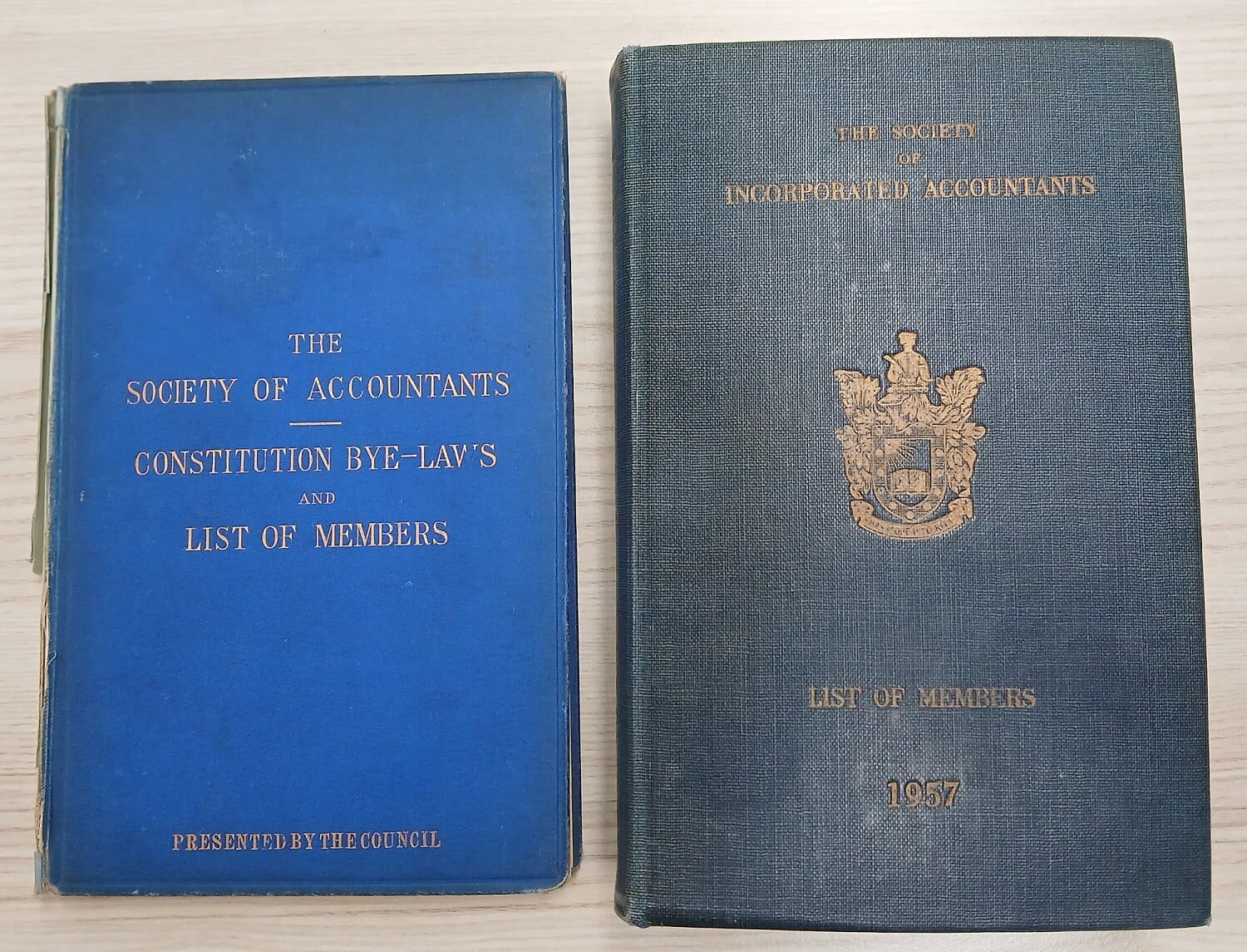
The Society's first Year book (also List of Members) published in 1885, recorded the names of 350 members.
Examinations were first held in 1897 but as the number of candidates was initially small, admission to the Society was still mainly by election by the Council. By 1893 there were 124 candidates for the three level of exams (preliminary, intermediate and final) but as this still not enough to sustain the Society, 155 new members were elected (including some who had passed the final examination). This raised membership to 735.
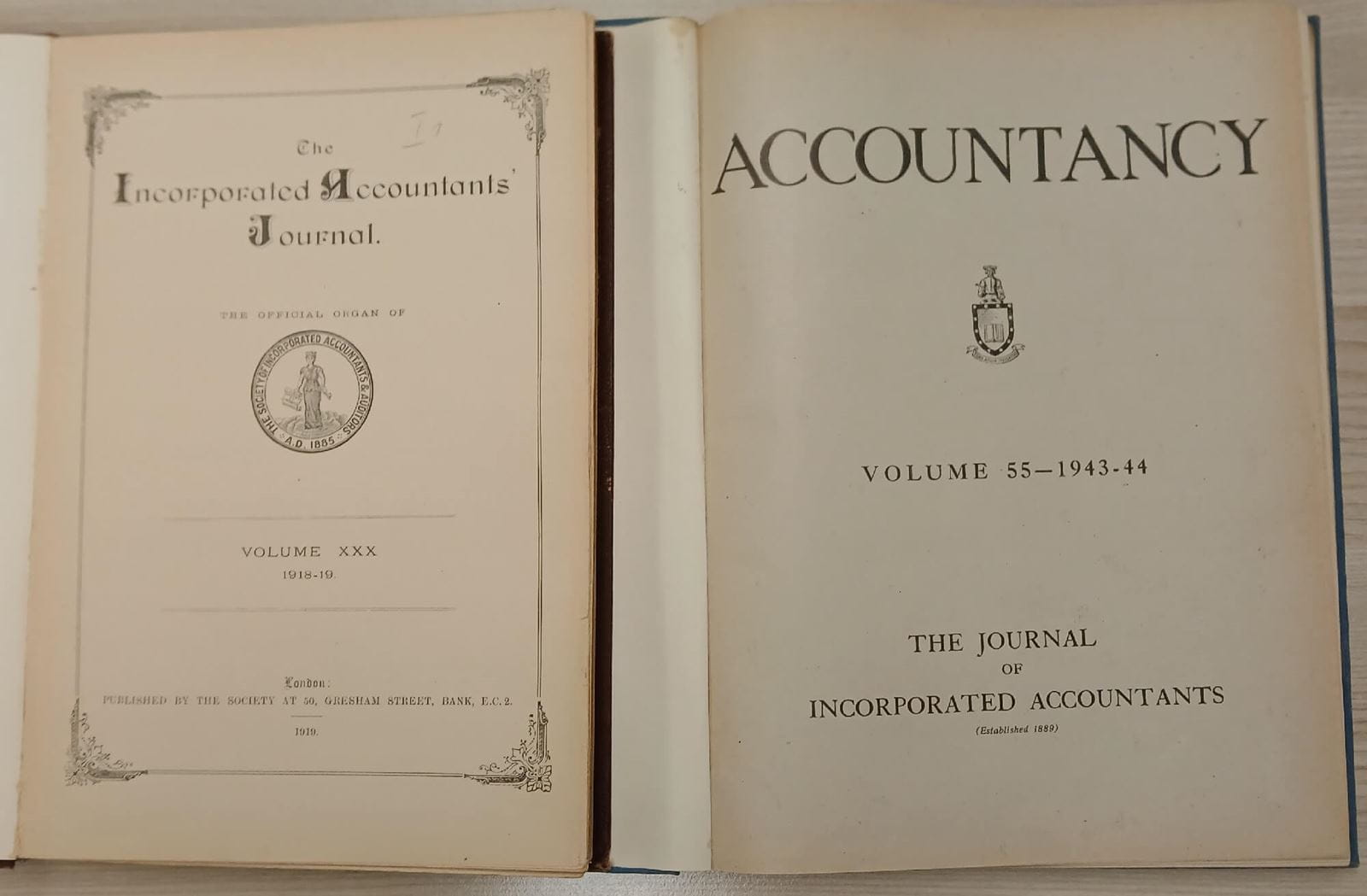
In June 1889 the Society published the first Incorporated Accountant's Journal as it's own journal. Originally quarterly, it moved to monthly in 1895. In 1937 after the retirement of long-time editor William Strachan the journal became Accountancy and under this title became the organ of ICAEW after the two organisations merged in 1957.
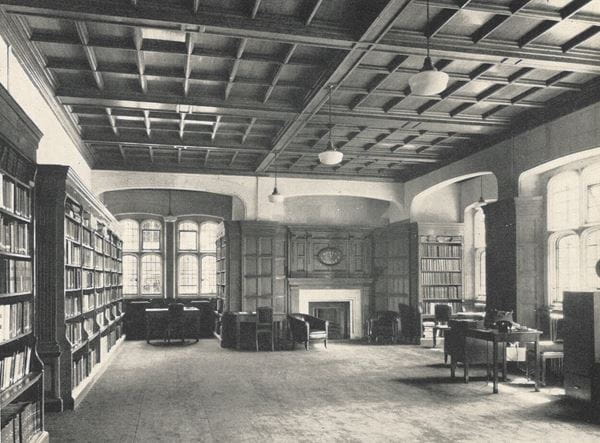
The Society also formed a library (around 1887) with gifts of books and subscriptions from members and later a gift of valuable collection of early and rare books on book-keeping and accounting. This collection was subsumed into the ICAEW collection in the merger and items surplus to requirements, such as duplicates, were sold.
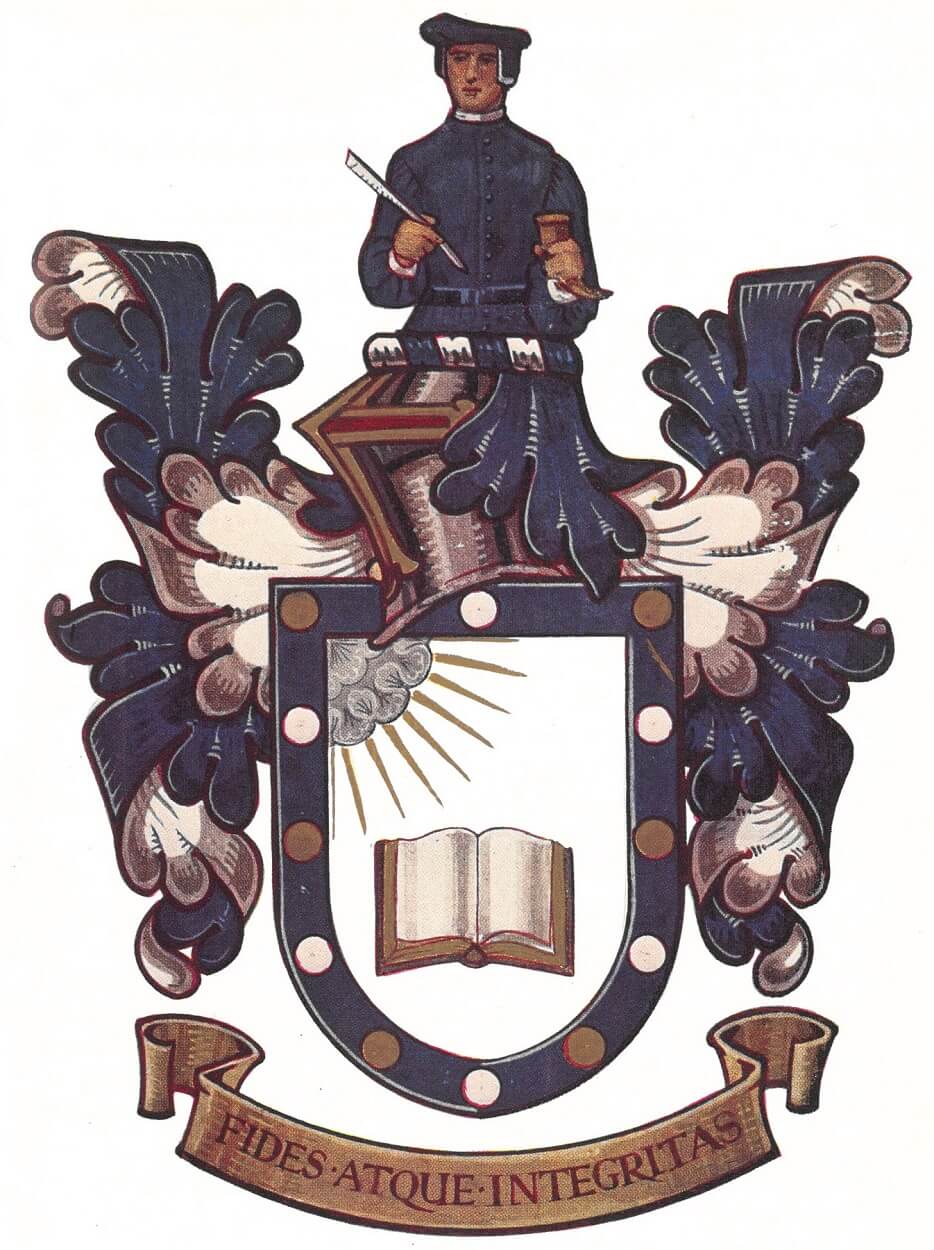
Name changes
The Society of Accountants and Auditors (Incorporated) became the Society of Incorporated Accountants and Auditors in 1908 and would stick with this name for 46 years.
!n 1954, a long mooted change of name was finally enacted, after legal advice, with 'Auditors' being dropped. The Society was now the Society of Incorporated Accountants. The post-nominals F.S.A.A. and A.S.A.A. (for fellows and associates respectively) remained the same however.
Other bodied that merged with SIAA
- Public Accountants of Liverpool (1896)
- Scottish Institute of Accountants (1899)
Women
The question of opening membership to the Society was first raised at the annual meeting in 1889 by Arthur Pigott and seconded by Walter Clough but was defeated by a large majority. Clough, now an M.P., tried again in 1891 but again the resolution failed. A leading member of the Society was quoted as saying that "accountancy was amongst those professions which required for their proper fulfilment those masculine qualities and experience of the world and intellectual capacity and courage which very rarely to be found in members of the weaker sex".
Despite these attitudes the Society did allow entry to women before ICAEW. In the aftermath of The Great War and the passing of the representation of the People Act, the President of the Society, Arthur Woodington, had indicated that the Society intended to open membership to women and in fact preparations were already underway in the summer of 1918.
On the 17 October 1918, a Special Meeting discussed the admission of women and less than a month later on the 12 November the Society of Incorporated Accountants and Auditors changed their rules to allow the admission of women.
Hilda Claridge, who had worked at an accountants firm in Bradford, became the first women to pass the final examination and therefore be elected an associate of the SIAA in January 1920, beating Ethel Watts's success at ICAEW by 4 years. Claridge was the daughter of William Claridge, who was the President of the SIAA at the time. The first female articled clerk to become an associate was Phyliss Ridgway, who articled with her father G.A, Ridgway FSAA and would later become the first (and only) woman to sit on the Society's council in 1949. The first female articled clerk to register was Hilda Florence Simpson, who was articled to former Society President, C Hewetson Nelson of C Hewetson Nelson, Robson & Co., Liverpool
By the time ICAEW had it's first female associate the SIAA had 8. Ethel Watts herself became an ISAA associate 19 months after doing the same at ICAEW. Mary Harris Smith had also become a member of the SIAA (November 1919) before she entered membership at ICAEW (May 1920). Smith had first applied to the SIAA for membership in 1888.
The event, beating time as it is with those signal steps which have led to the unbarring of many new careers to women, is an important milestone in franchisement
SIAA's early female pioneers - the first 21 women to be members
| Name | Associate | Fellow | ICAEW | employment | notes | |
| 1 | Smith, Mary Harris | 1919 Nov 12 | 1919 Nov 12 | 1922 F | M. Harris Smith, EC4 | First applied in 1888. hon. member |
| 2 | Claridge, Hilda Mabel | 1920 Jan 15 | x | 1958 | Clerk to W. Claridge & Co, Bradford | first woman to pass final examination. Her father William Claridge, was president of SIAA at the time |
| 3 | Ricketts, May | 1920 jul 15 | x | 1958 | Clerk to Derbyshire & Co., WC1 | |
| 4 | Springett, Dora Mary | 1921 July 21 | x | x | Clerk to C.L. Ketteridge & Co., EC2 | |
| 5 | Moore, Minnie Emily | 1922 Jan 19 | x | x | Midland Bank Chambers, St Albans | |
| 6 | Ayres, Gladys Horton | 1922 July 20 | x | x | Accountants Dept. Public Trustees Office, WC2 | |
| 6 | Homersham, Miriam Margery BA | 1922 July 20 | x | x | EC4 | |
| 6 | Ridgway, Phyllis Elizabeth Marie | 1922 July 20 | y | 1958 F | Clerk to Butterell & Ridgway, Hull | elected to council in 1949 articled to father G.A Ridgway FSAA |
| 9 | Crick, Freda Gladys | 1924 Jan 16 | y | 1958 F | Clerk to F.C. Swallow, Peterborough | |
| 10 | Stephens, Minnie Margaret | 1924 July 17 | x | x | Clerk to Lawrence & Hann, EC2 | |
| 10 | Colley, Louisa Minnie | 1924 July 17 | x | 1958 | Clerk to Allan, Charlesworth & Co., EC3 | |
| 10 | Cross, Daisy | 1924 July 17 | x | x | Clerk to Arnold Watson & Co, Manchester | |
| 10 | Kendall, Ruth Gladys | 1924 July 17 | x | 1958 | Clerk to S.F. Cornish & Co., EC4 | |
| 14 | Browne, Dorothy Gertude | 1924 Nov 6 | x | x | Clerk to Sharp, Parsons & Co., Birmingham | |
| 14 | Macnamara, Annie | 1924 Nov 6 | x | x | Clerk to Robert J Kidney, Dublin | |
| 16 | Butlin, Helen Sybil | 1925 Jan 15 | x | x | Clerk to Oldham, Holland, Graves & Co | |
| 16 | Cox, Grace Cornelia | 1925 Jan 15 | x | x | Clerk to Joseph Cox, Croydon | |
| 16 | Dawe, Nellie May | 1925 Jan 15 | x | x | Clerk to Annan, Dexter & Co. EC2 | |
| 16 | Deacon, Lily Sabina | 1925 Jan 15 | y | 1958 F | Clerk to Campbell & Jordan, Wolverhampton | |
| 20 | Watts, Ethel | 1925 July 16 | x | 1924 F 1930 | SW1 | |
| 21 | Chapman, Irene Grace | 1925 Oct 28 | x | x | Accountants Dept. Public Trustees Office WC2 |
Please note that this data may change as married names are discovered.
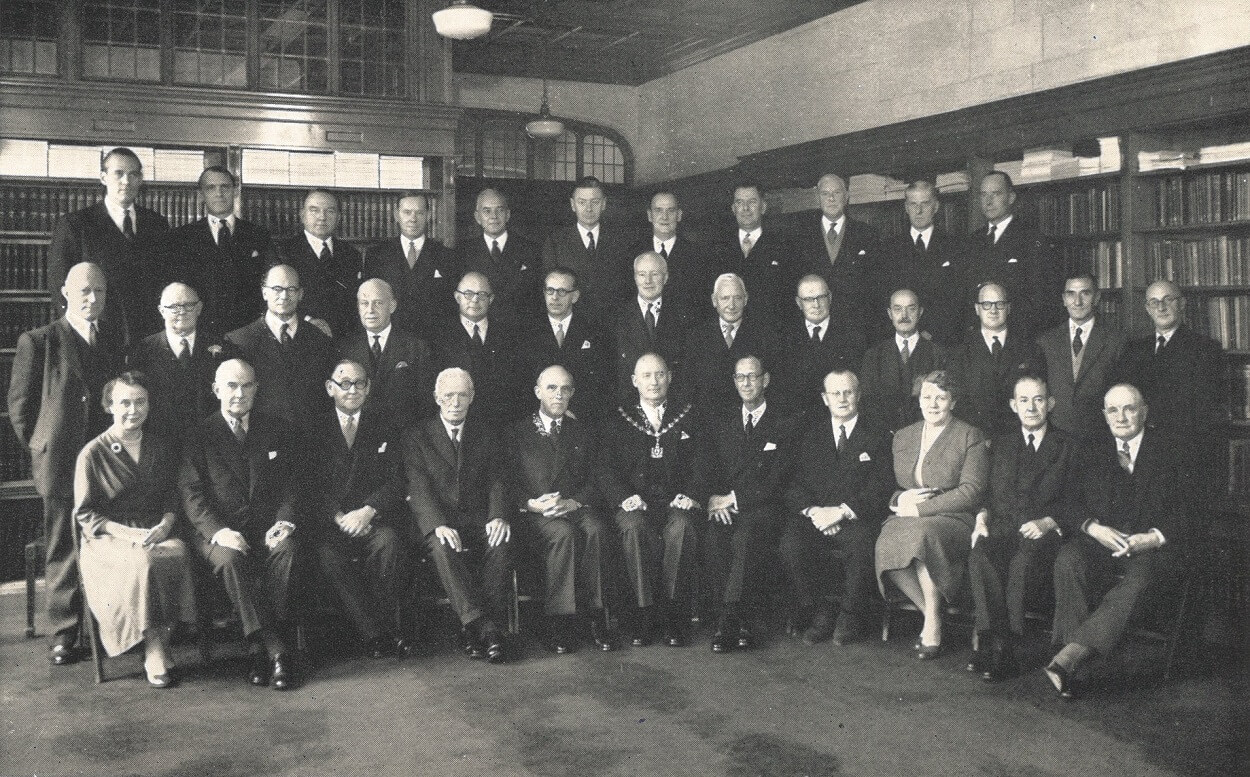
Wartime
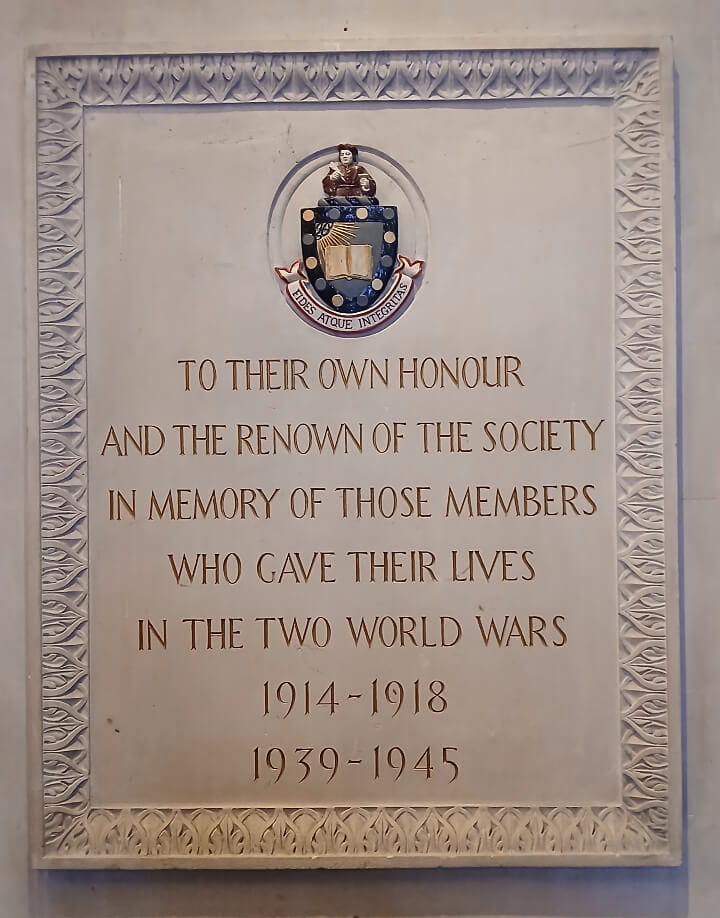
Hundreds of SIAA members and articled clerks served in both world wars. they are remembered on the following pages:
Membership
By 1957 the Society's membership numbered over 11,000 and there were 9,000 articled clerks and bye-law candidates. The topographical list in the List of Members covered 1,403 towns and cities across the world where incorporated accountants could be found. The Society had from its start claimed a 'British Empire' country with branches in Australia, Canada, Central Africa and South Africa, where membership was particularly strong with around 6900 members in 1957. An advantage that the SIAA had over other bodies, such as ICAEW, was that they didn't have a charter which limited them to having exams in England, which is why they could had an articled clerk pass an examination in a prisoner war camp in 1942, months before ICAEW managed the same.
Member by type (March 1957)
| Fellows | ||
| in practice | 1,838 | |
| Not in practice | 367 | 2,205 |
| Associates | ||
| In practice | 1,867 | |
| Not in practice | 7,263 | 9,130 |
| 11,355 | ||
Note: this total included around 100 female members
Membership over time
- 1885: 396
- 1888: 400
- 1902: 1,763
- 1911: 2,442
- 1930: 2,900
- 1937: 5,985
- 1952: 9,518
- 1957: 11,355
Integrated membership, post merger
These figures for were compiled by ICAEW for the 1958 annual report:
| Admitted to membership of: | |
|---|---|
| The Institute of Chartered Accountants in England and Wales | 10,048 |
| The Institute of Chartered Accountants in Scotland | 128 |
| The Institute of Chartered Accountants in Ireland | 364 |
| Members of the Society admitted to the three institutes | 10,540 |
| Members of the society who were already members of one of the Institutes | 669 |
| Applications deferred or still under consideration | 22 |
| Known to have died, or have decided not to seek admission, or by whom no response had been made | 316 |
| Society membership on 2 November 1957 | 11,547 |
What are Bye-Law candidates?
Bye-law candidates are those who become associates of the Society by means other than passing exams through articles.
The relevant by-law 11, reproduced from the Year Book from 1948 is as follows:
- Articles or indentures of Apprenticeship shall be a condition precedent to the Intermediate Examination, subject to the following Special Provisions:-
- All candidates submitting applications under the Special provisions must have passed or have been granted exemption from the Preliminary Examination prior to making such application
- Accountancy Clerks to Public Accountants (other than Articled Clerks) or not less than six years continuous service, and whose age shall not be less than 22 years, may apply for permission to sit for the Intermediate Examination.
- Candidates (other than articled clerks) who have passed the Intermediate Examination and attained the age of 25 years, may apply for permission to sit for the Final Examination, upon the completion of service in the Profession for nine years.
- In the case of Graduates of any of the recognised Universities of England and Wales, Scotland and Ireland, the Examination and Membership Committee may, at their discretion, reduce the period of service in the profession required under clauses (b) and (C) of this Bye-Law by a period of not more than two years, provided that such candidates shall have completed at least four years' service in the profession, prior to sitting for the Intermediate Examination
- In the case of Candidates who served with the H.M. Forces during the period 1914-1919 and who submit application under clauses (a) to (d) of this Bye-Law, the examination and Membership Committee may, at their discretion, recognise in whole or part as service in the Profession, service with H.M. Forces, regard being had to the Candidates' actual period of service in the Profession. Such Candidates must produce certificates of the dates between which they were mobilised with the Forces.
- A candidate under these regulations must submit with his application a statement in proper form as to his experience and qualifications and shall forward certificates from his employer or employers, providing service in the Profession as specified in the foregoing clauses (b), (c) and (d). Such certificates shall also indicate the position occupied by the candidate, the nature of his duties and that his application is recommended to the Examination Committee.
- The Term "Public Accountant" shall be deemed to include a Municipal or County Treasurer, Chamberlain or Accountant who occupies the position of Chief Financial officer of the Municipal or County authority concerned.
Merger with ICAEW
In 1897 a scheme existed for the absorption of the Society's membership by ICAEW under the Chartered Accountants Bill which had been drafted by the Society and the Institute. Special General Meetings were held simultaneously and both rejected the idea. The idea was not seriously discussed again for over 50 years.
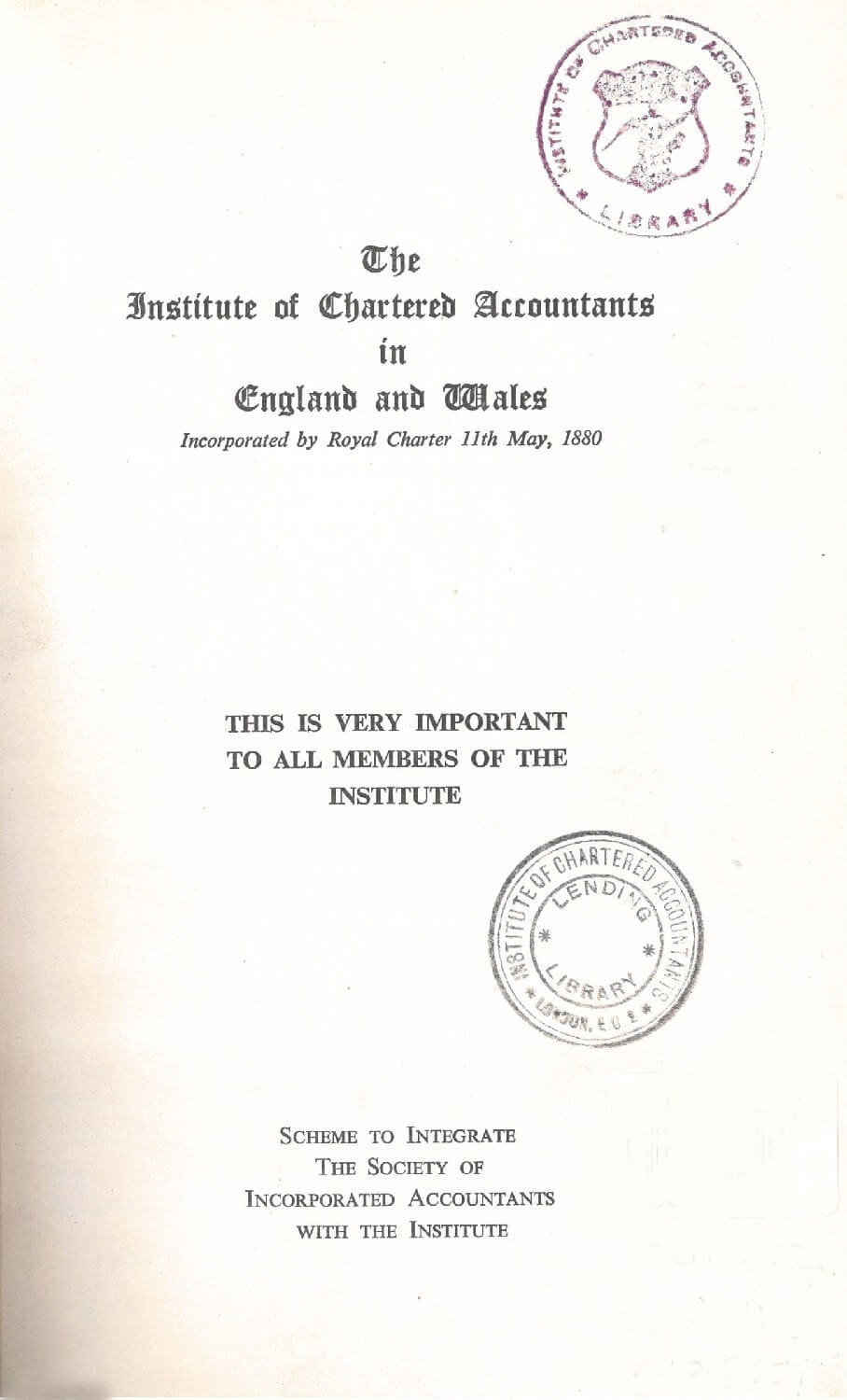
In November 1954 the Presidents of SIA, ICAEW and ICAS met in New York for the annual meeting of the American Institute. They then travelled to Toronto, where in the lounge of the Royal York hotel, Donald House (ICAEW) and Bertram Nelson (SIAA) discussed the advantages and disadvantages of merger of their two organisations. At the end of the discussion they agreed to bring the matter to the attention of their Council when they returned home. Both Councils agreed that a memorandum, outlining the benefits of the integration of two bodies would be beneficial, should be drafted by the two Presidents, along with the secretary of the Institute, Alan MacIver and Ian Craig, secretary of the Society:
The reasons compiled were as follows (quoted from Howitt, 1966):
- Over a long period of years, dating in fact back to the previous century, negotiations had taken place between the Institute and the Society for some form of association. Although in the early days the entry qualifications of the Institute were more stringent than those of the Society, the latter had for many years for the most part adopted the requirements of training in a practising office, partly under articles to their own members and party as 'bye-law candidates' in service of the office of chartered accountants.
- In recent years the majority of the Society's new membership had been trained in the offices of chartered accountants among their partners, so that clearly the training of that element must be held to have been adequate.
- The examinations of the Society also were of a fully adequate standard
- The integration of Institute and Society would mean that the great bulk of practising accountants become members of the same body, so that any confusion in the public mind on the issue was largely removed.
- Numerous members of the Institute were in partnership with members of the Society, and accordingly their firms were not allowed to practice either as chartered or incorporated accountants unless all members became members of one or the other body.
- Institute and Society members in practice were competing for the limited number of students available. if the Institute had been compelled to increase the number of articled clerks permitted to each practising member this would have encroached on the number available to the Society as articled or bye-law candidates, and might have compelled the society to accept training in nationalized and other forms of public or big business - pressure in which directions was already present. An alternative was for the Society to link with with the Association.
- Some of the difficulties in running separate District and Student Societies - particularly in the Provinces - would be eliminated.
The proposals went out to the memberships at Christmas 1956 and were later approved by separate meetings of the four bodies concerned, the Society's meeting talking place at the Royal Festival Hall on 19 June 1957.
Negotiations were based on the following principles (quoted from Garrett, 1961):
On the part of the three institutes
- That for members of the society, for the purpose of Integration, experience in practising accountant's office at home (excluding overseas) must be an essential condition of membership as chartered accountants. Articled service or bye-law service performed with 'public accountants' in England and Wales was agreed to be accepted by the English Institute; with chartered or incorporated accountants in the United Kingdom by the Scottish Institute; or with 'public accountants' in Ireland by the Irish Institute.
- That in any case chartered accountants in practice should in future each have the right to accept four articled clerks, with facility to obtain permission to take more, subject to giving satisfaction that the training available in the firm was adequate for the purpose. This arrangement would go forward irrespective of the successful accomplishment of integration.
On the part of the Society
- That every member must, upon application, be eligible for membership of one or another of the three institutes
- That all articled clerks and by-law candidates accepted by the society up to an appointed date must be able to complete their qualification
As a consequences of the merger was that the Society's 'bye-law' system ceased and some transferring SIA members could not use the designation 'chartered accountant', but were known as incorporated accountant members of ICAEW. The majority of these were members who trained overseas or were in the service of public and local authorities. There had 'lingered a sense of grievance' (Howitt, 1966) over this issue and requests for the removal of this restriction were raised at several post-merger annual meetings and in 1965 it was agreed to take steps to amend the charter and bye-laws, subject to individuals having had the required experience of practising in the United Kingdom.
The voting on the proposals was as follows:
| ICAEW | ICAS | ICAI | SIA | |
|---|---|---|---|---|
| Majority required by constitution | 66.6 | 66.6 | 51 | 75 |
| Voting at meeting: for | 1,097 | 163 | 48 | 972 |
| Voting at meeting: against | 278 | 25 | 17 | 111 |
| Majority in favour | 80 | 86.7 | 73.8 | 89.8 |
| postal vote in favour | 10,242 | 1,822 | 456 | 8,747 |
| Postal vote against | 4,340 | 323 | 93 | 1,327 |
| Majority in favour | 70.2 | 84.9 | 83.1 | 86.8 |
An extraordinary general meeting of the Society was held at Incorporated Accountants' Hall on the 1st November with the purpose of putting the Society into liquidation. The 2nd of November 1957 was effective date for the schemes of integration. The Society's Council would meet once more, on the 16 January 1958.
Presidents
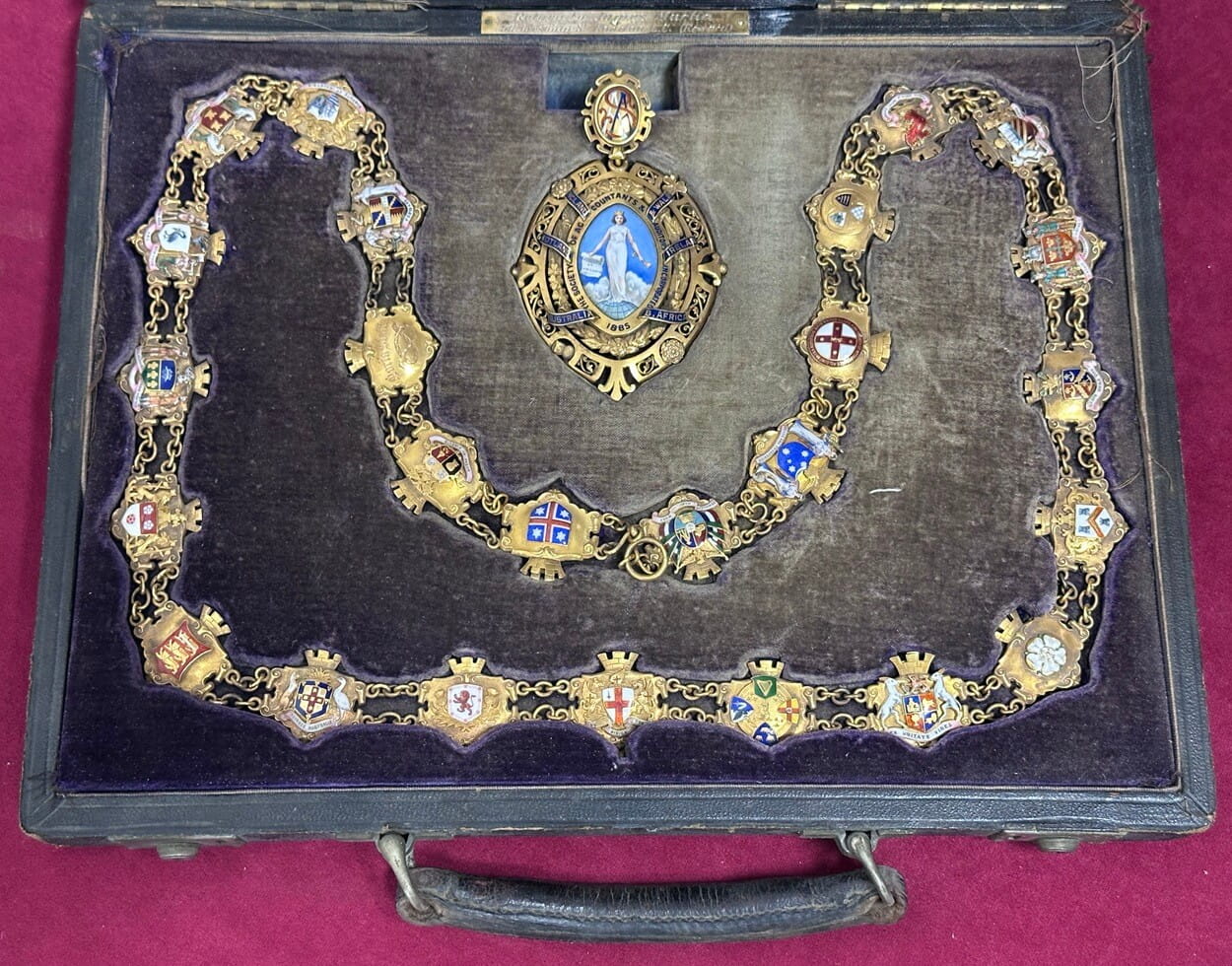
| Years | Name | Location |
|---|---|---|
| 1886 - 1887 | Joseph Shaw Green | Warrington |
| 1887 - 1890 | Reginald Embleton Emson | London |
| 1890 - 1894 | Ebenezer Carr | London |
| 1894 - 1898 | Frederic Walmsley | Manchester |
| 1898 - 1901 | Andrew Wallace Barr | London |
| 1901 - 1904 | Sir Charles Henry Wilson | Leeds |
| 1904 - 1907 | William George Rayner | London |
| 1907 - 1910 | Harry Lloyd Price | Manchester |
| 1910 - 1913 | Arthur Edward Green | London |
| 1913 - 1916 | Charles Hewetson Nelson | Liverpool |
| 1916 - 1919 | Arthur Edwin Woodington | London |
| 1919 - 1922 | William Claridge | Bradford |
| 1922 - 1923 | Sir James Martin M.B.E. | London |
| 1923 - 1926 | Sir Thomas Keens D.L. | London and Luton |
| 1929 - 1932 | Henry Morgan | London |
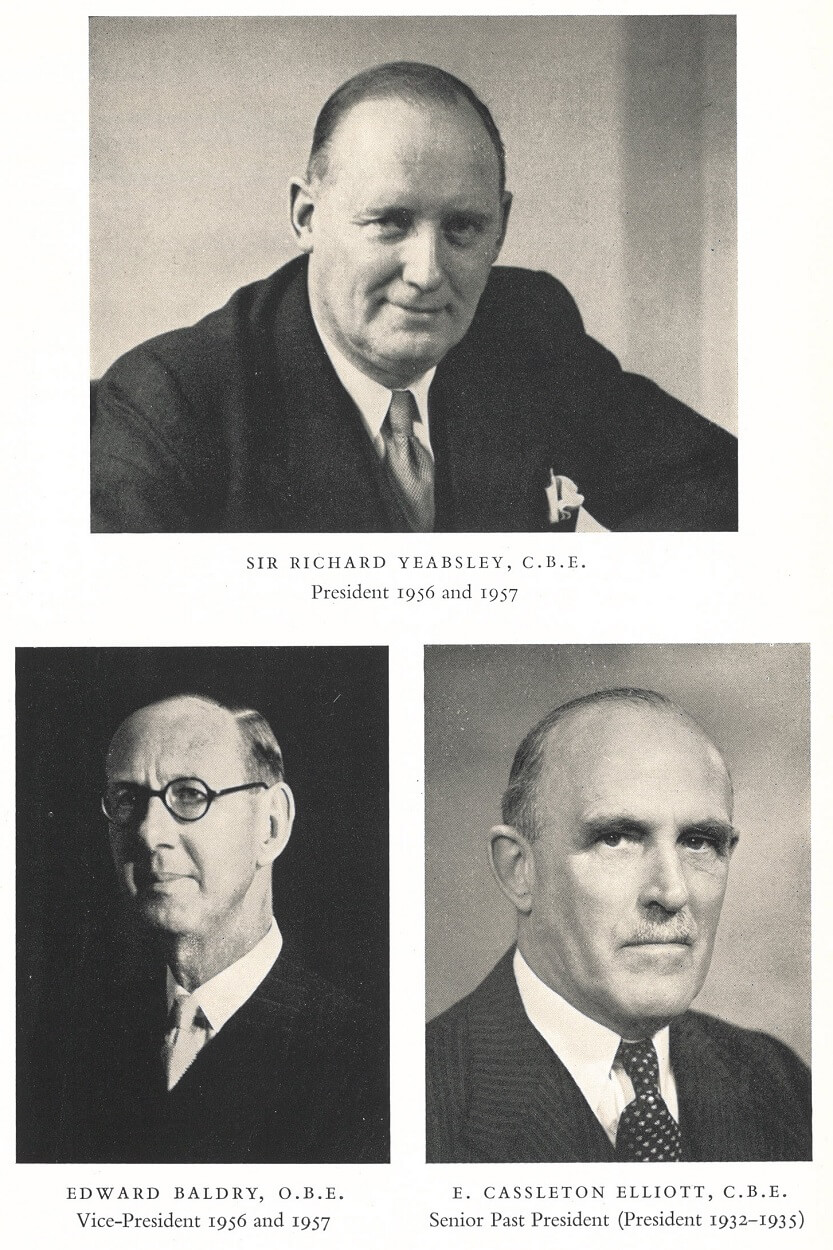
| 1932 - 1935 | Edward Cassleton Elliot C.B.E. | London |
| 1935 | 50th Anniversary of the foundation of the Society | |
| President: Sir James Martin M.B.E. | London | |
| Vice President: Charles Hewetson Nelson | Liverpool | |
| 1935 - 1937 | Richard Wilson Bartlett D.L. | Newport (Mon.) |
| 1937-1939 | Walter Holman | London |
| 1939 - 1942 | Percy Toothill | Sheffield |
| 1942 - 1945 | Richard Alfred Witty | London |
| 1945 - 1947 | Fred Wooley | Southampton |
| 1947 - 1949 | Sir Frederick Alban C.B.E. LL.D. | Cardiff and Newport (Mon.) |
| 1949 - 1951 | Albert Stuart Allen | London |
| 1951 - 1954 | Charles Percy Barrowcliff | Middlesbrough |
| 1956- 1957 | President: Sir Richard Ernest Yeabsley C.B.E | London |
| Vice-President: Edward Baldry O.B.E | London | |
Note: The titles and decorations indicated were not necessarily held during office
Secretaries
| Years | Name |
|---|---|
| 1886 - 1919 | Sir James Martin M.B.E. |
| 1919 - 1949 | Alexander Adnett Garrett M.B.E. M.A. |
| 1950 - 1957 | Ian Archibald Forbes Craig O.B.E. B.A. |
Garrett served in WW1 as Paymaster Lieutenant in the Royal Navy Reserve.
Offices
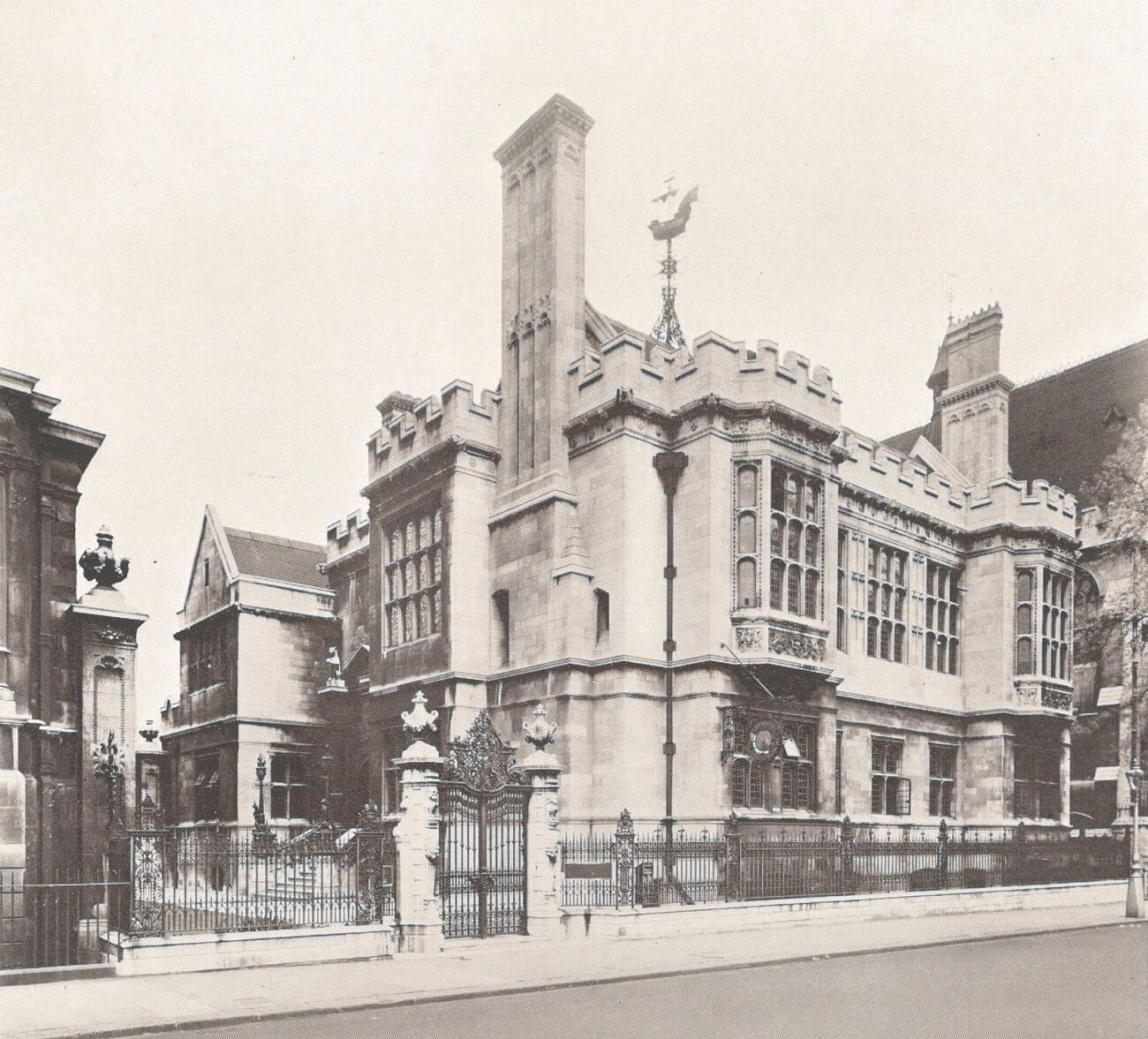
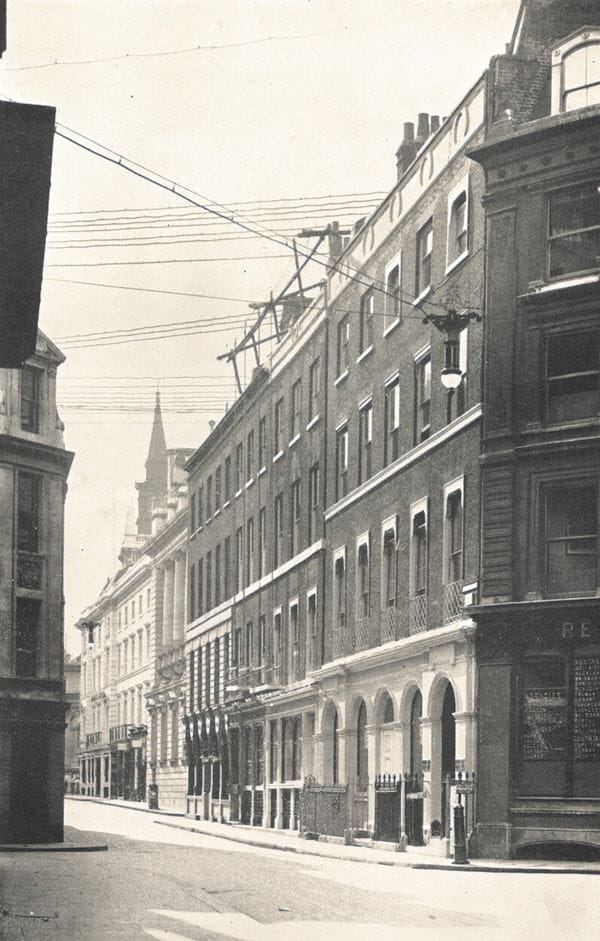
The first offices of the Society were at 37 Moorgate Street. After this the Secretary's address is given as 4 King Street - the Society had an agreement with the Secretary's firm for accommodation and secretarial services and in the early days the President used the office of his own practice.
In 1909 accommodation at 50 Gresham Street, near the Guildhall was leased. This comprised offices, a council chamber, library and a small administrative staff.
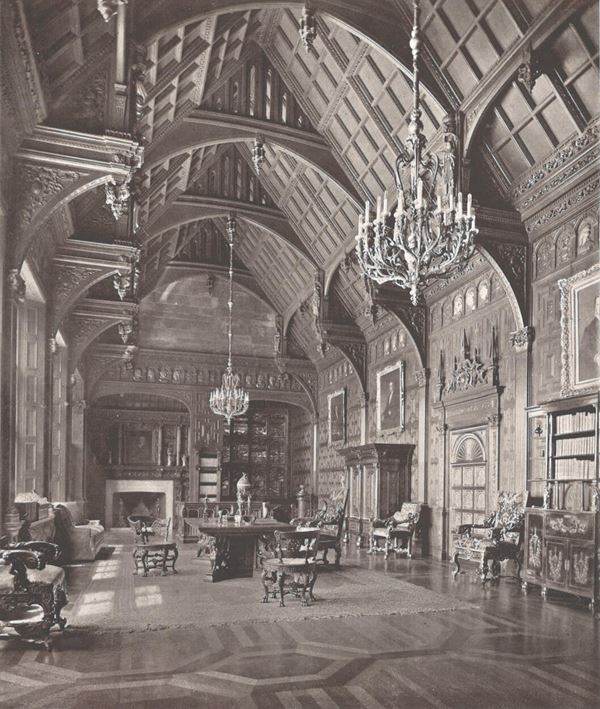
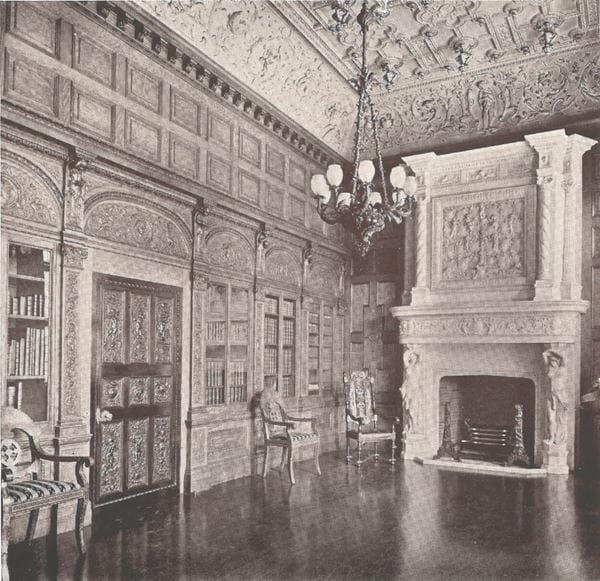
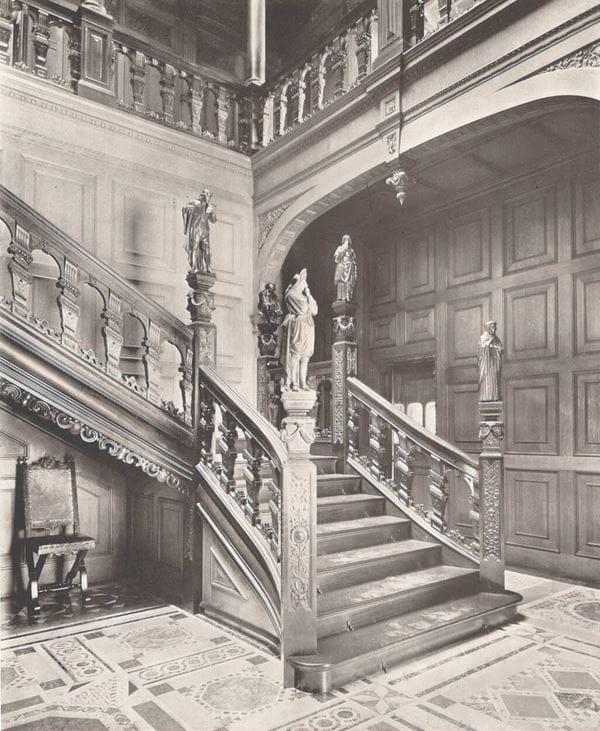
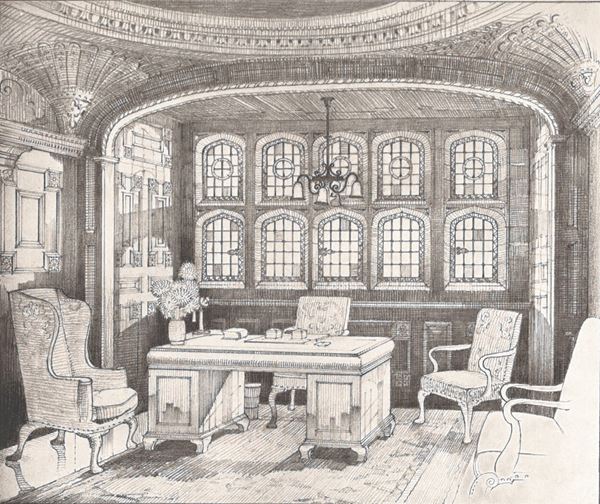
From 1929 and up to the merger with ICAEW, the SIAA was based at Incorporated Accountants' Hall, at 2 Temple Place. The building was originally built for William Waldorf Astor in 1895 by the architect J. Loughborough Pearson R.A. (1817-1897), 'the founder of Modern Gothic architecture in England' and builder of Truro Cathedral. This was to be his last work as he died two years after its completion. It was originally known as the Astor Estate Office, and later, Astor House. Canadian insurance company Sun Life Canada bought it in 1910, renaming it Sun of Canada House, before selling the building to the SIAA at the end of October 1928..
The total cost of purchasing Astor House, alterations and restoration came to around £110000, partly financed by a 5 per cent debenture issue that raised £70,000. The son of the original architect, F.L. Pearson, was engaged to supervise the works, undertaken by John Thompson & Sons of Peterborough, starting immediately after the purchase. The Society's administration moved into the Hall in January 1929 and the building was officially opened by HRH the Duke of York (later King George VI) on 19 February 1929.
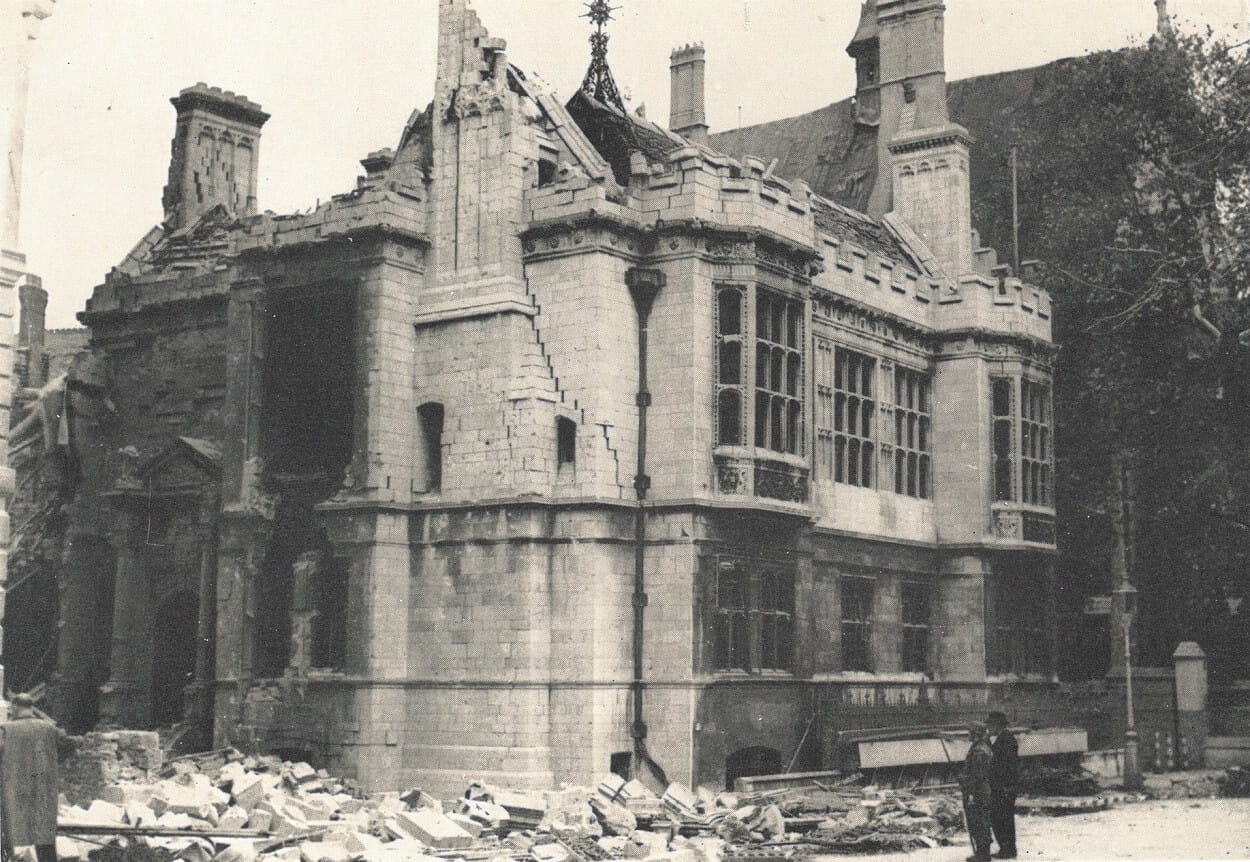
The building was badly damaged during Word War 2 in bombing raids that destroyed several neighbouring buildings. Sir Percy Thomas, twice president of RIBA, planned the extensive restoration and the addition of a new west wing. Work commenced in 1948 and the Society's administration moved to a disused warehouse in Milford Lane, behind the hall, for two years. The works by Trollope & Coll Ltd, under the direction of Sir Percy, were completed by Spring 1951. The total cost of the works came to over £100,000, most of which was covered by war damage claims.
After the merger with ICAEW, Incorporated Accountants' Hall was deemed surplus to requirements after 'the closest consideration and then with regret' by ICAEW's Council and was sold for £168,000 in 1959. One of the considerations had been to use the building as a Chartered Accountant's club, but this was deemed impractical. The building was then occupied by pharmaceutical company Smith & Nephew until 1988.
The building, Grade-2 Listed, is now an art gallery and event space, Two Temple Place, owned by the Bulldog Trust.
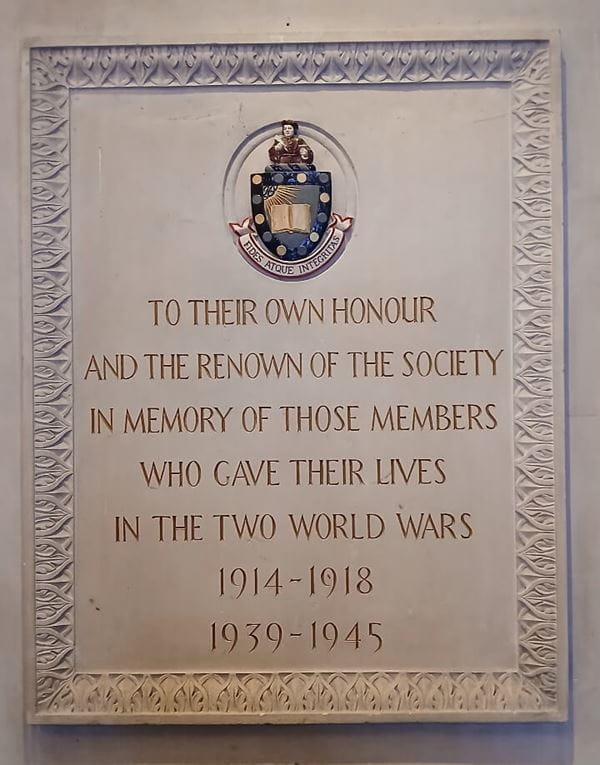
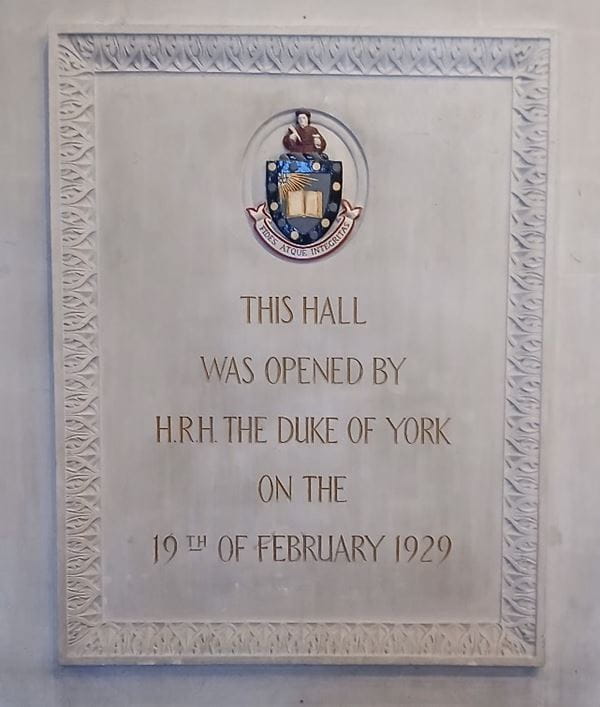
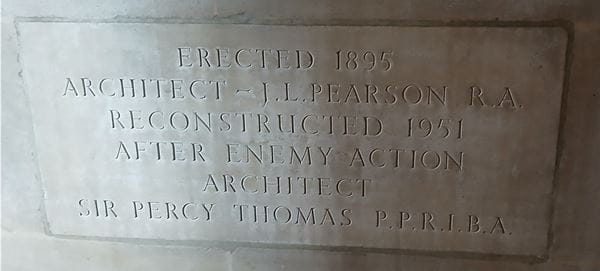
Incorporated Accountants' Hall is a very remarkable building in many ways, most notable because it was planned to accord with a very unusual conception of what a modern office might be, carried out irrespective of cost'
Library holdings
The ICAEW Library holds many SIAA related item including the List of Members/ Members' Handbook and The Incorporated Accountants Journal (renamed Accountancy in 1938). The Accountant, A profession-wide publication also covered the Society in its pages. The SIAA's archive is part of the ICAEW collection at the London Archives.
We also have a page dedicated to SIAA examinations.
Certain other materials relating to Society of Incorporated Accountants and Auditors examinations are also held at the London Archives, including minute books for committees and boards such as the Examination Committee, the Board of Examiners, and the Examination and Membership Committee.
For further details, see the full catalogue of ICAEW holdings at the London Archives. Please note that these materials are subject to access restrictions, due to data protection regulations. Requests to view such records should be directed to the Library enquiry team, at library@icaew.com.
Bibliography
- Garett, A.A. History of the Society of Incorporated Accountants 1885-1957 (Oxford University Press, 1961)
- Howitt, Sir H.G. (ed.) The history of the Institute of Chartered Accountants in England and Wales, 1880-1965, and of its founder accountancy bodies, 1870-1880 (Heinemann, 1966)
- Institute of Chartered Accountants of England and Wales Scheme to integrate The Society of Incorporated Accountants with The Institute. (ICAEW, 1956)
- Society of Incorporated Accountants and Auditors Incorporated Accountants' Hall: its history and architecture. (SIAA, 1935)
- Society of Incorporated Accountants' The Incorporated Accountant's Year Book (SIAA, various years)
Contact the library
Expert help for your enquiries and research.