Monetising art
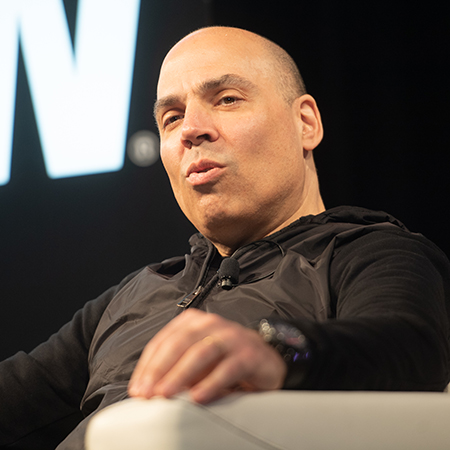
When does a song become a “proven” song? For Merck Mercuriadis, founder of Hipgnosis, it is when “the earnings pattern to it becomes very predictable and reliable, and is therefore investable. These songs are as valuable as gold.”
How they are being priced is difficult to ascertain. The many interviews and press releases from Hipgnosis avoid revealing the sums paid for songwriters’ catalogues.
Mercuriadis is not on the board of Hipgnosis, despite seemingly being their lead vocalist. Rather, he is CEO of The Family (Music) Limited, which advises the fund on the identification, acquisition and management of songs.
“The biggest threat to the music business right now is not financial,” Mercuriadis told City AM recently. “It’s that it is discouraging the great artists of the past, present and future from being a part of this business because of the gluttonous tactics of the record companies.” A music industry veteran who has managed artists including Nile Rogers and Beyonce, he has certainly grabbed the headlines.
It’s our tune
In January 2021, London Stock Exchange-listed Hipgnosis bought up Canadian musician and producer Bob Rock’s rights to hit albums from Metallica and four number-one Michael Bublé albums.
Since floating in 2018, the songs investment fund has also acquired rights from Fleetwood Mac’s Lindsey Buckingham, veteran producer Jimmy Iovine, Debbie Harry and Chris Stein of Blondie, and The Pretenders’ Chrissie Hynde, along with Colombian multi-Grammy-winning pop star Shakira’s 145-song back catalogue. Shakira alone has more than 34m monthly listeners on Spotify. At the end of 2020, rock star Neil Young sold 50% of his back catalogue rights to Mercuriadis’s company.
Hipgnosis is not the only acquirer of song rights. In early 2021, songwriter-producer Ian Levine sold his rights to a string of early hits by Take That to the publisher One Media iP Group; Blue Raincoat Music Publishing signed a deal with the estate of Nick Drake for the rights to his songs; and Mick Fleetwood, of Fleetwood Mac, sold the rights to his hit songs to music publisher BMG. The biggest deal to date was Bob Dylan selling the publishing rights to his entire catalogue of songs to Universal Music for an estimated $300m last year.
Cash rules everything
Aside from acquiring the rights to back catalogues, Hipgnosis’ other great strength is raising the cash to pay for them – a necessary skill for the business model to work.
Founded by Mercuriadis and guitarist Nile Rodgers in 2017, plans to list Hipgnosis on London’s Stock Exchange that year were paused twice. In July 2018, they pressed play on the IPO and listed on the LSE main market.
The company issued more shares in April, August and October 2019, and in July and September 2020, raising £51.1m, £141.5m, £231m, £236.4m and £190m respectively – a total of £850m. As at the end of January 2021, the market cap of the investment fund was £1.2bn.
Dividend yield is central to the investment premise. The company has a target yield of 5.25p per share per annum, paid quarterly, reflecting steady income streams the business expects to generate. Institutional investors include Newton, Baillie Gifford and Church of England fund manager CCLA.
Session players
Hipgnosis’ regularly uses financial adviser N+1 Singer, and the reporting accountants and auditor PwC. Its legal advisers are Herbert Smith Freehills and Ogier. The joint corporate brokers are N+1 Singer and JP Morgan Cazenove. Its two communications advisers are The Outside Organisation and FTI Consulting.
The annual accounts reveal that Massarsky Consulting values its portfolio. Some commentators highlighted this as a contentious area, as the uplifts are based on discounted cash flows from future royalties and streaming fees, rather than sell-on of portfolios, and on that basis are then used to support the case for raising further cash.
About the article
This is extracted from the full article in the Corporate Financier March 2021 edition - exclusively for Corporate Finance Faculty & Faculties Online members - who can access our highly regarded magazine in its originally designed form, as well as our extensive archive brought to you by the ICAEW Corporate Finance Faculty.
